
Andy Burnham's Vision for Lower Energy Costs Through Renewables
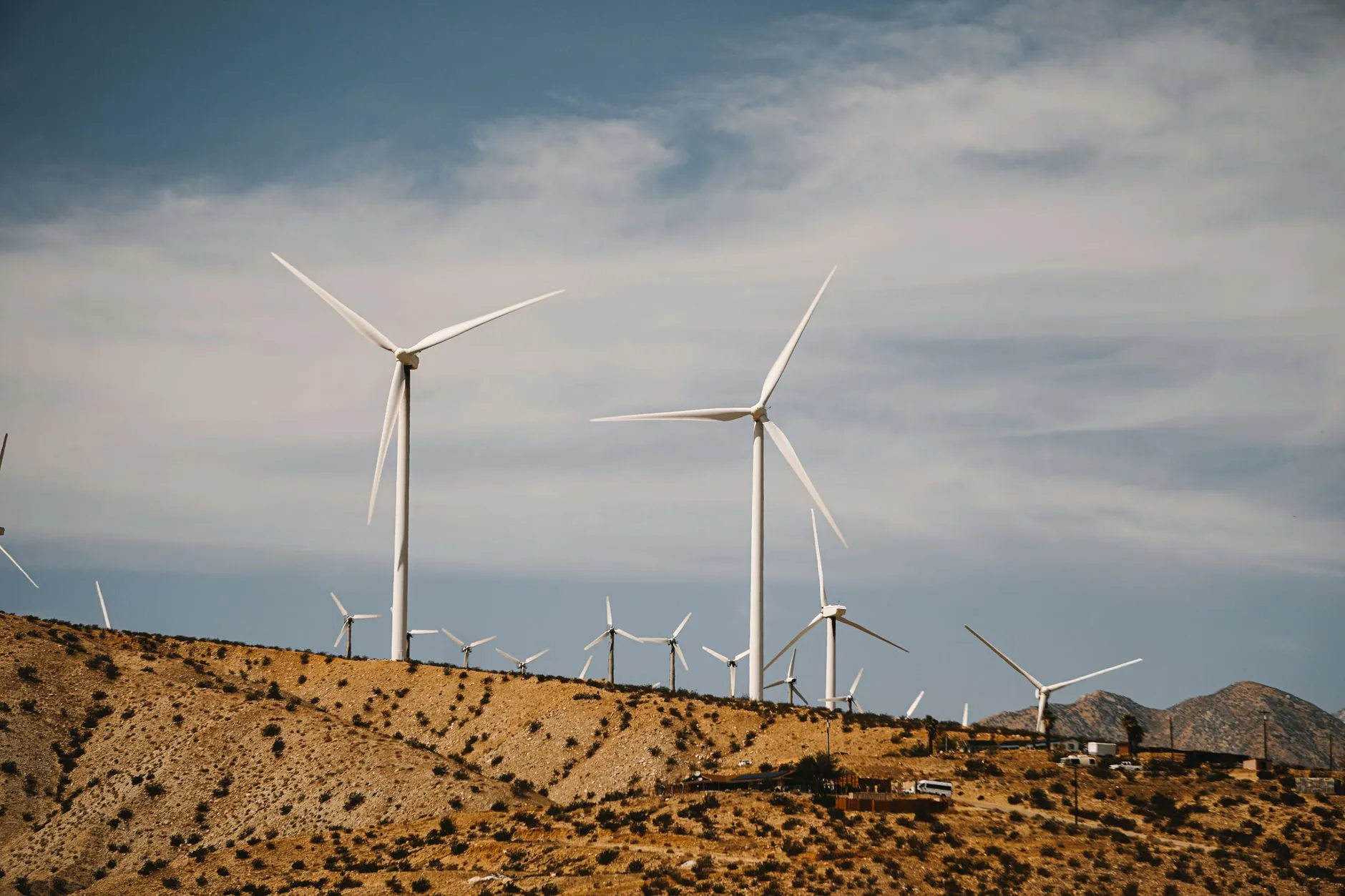
British electricity prices remain among the highest in Europe, and UK businesses pay roughly 50% more than their German and French counterparts. For manufacturers competing on tight margins, that gap is not a minor irritation. It is a structural disadvantage that feeds into every tender, every export quote, and every hiring decision.
At the recent Labour conference, Andy Burnham framed energy costs as central to the UK's economic resilience. His argument was direct. Expanding renewables and nuclear capacity offers a route to lower bills and reduced exposure to international gas markets. Consequently, he asked the energy secretary to speed up efforts to decouple domestic electricity pricing from volatile gas benchmarks.
The political pitch is tied to a broader interventionist agenda. Burnham's speech placed energy alongside water and housing as sectors where stronger public control could deliver better outcomes for households and businesses. For SMEs watching energy overheads eat into cash flow, the promise of structural change carries weight. However, the mechanics of how pricing reform would work in practice remain less clear.
This matters because energy costs shape competitiveness, investment decisions, and supply chain viability. Understanding why UK bills are high, and what levers might bring them down, is essential for any business planning beyond the next price cap review.
Why gas still drives UK electricity pricing
Britain's wholesale electricity market operates on marginal pricing. In simple terms, the most expensive generator needed to meet demand at any given moment sets the price for all electricity sold in that period. Gas-fired power stations often occupy that marginal position. Therefore, even when wind or solar is generating cheaply, gas frequently determines what everyone pays.
This design made sense when gas was abundant and relatively stable. It no longer does. Gas accounted for around 30% of UK electricity generation in 2024. By comparison, Germany used 16% and France just 3%. France relies heavily on nuclear, which insulates it from gas price swings. Similarly, countries with large renewable or nuclear fleets face less exposure to the volatility that has defined European energy markets since 2021.
Deloitte analysis highlights the scale of the problem. UK industrial users pay approximately four times as much for electricity as companies in the United States. For energy-intensive sectors like chemicals, glass, or steel, that difference can determine whether a site remains viable or relocates.
Household customers face similar pressures. Typical UK domestic rates stood at 29.70p per kilowatt hour in early 2025, compared with 22.41p in France and 22.99p in Sweden. Those figures reflect long-term structural issues, not just recent commodity shocks. Between 2010 and 2025, UK electricity bills rose 147%, driven partly by policy costs but fundamentally by the country's dependence on gas for both heating and power generation.
Renewables and nuclear as bill reduction tools
Burnham's focus on home-grown renewables and nuclear reflects a growing recognition that generation mix determines price exposure. Renewables carry no fuel cost. Once built, wind and solar farms produce electricity without depending on commodity imports. Nuclear operates on a similar principle: high upfront capital costs, but low and predictable running expenses over decades.
Expanding both would gradually reduce the UK's reliance on gas. As a result, marginal pricing would shift. Fewer hours would see gas setting the wholesale rate, and more would be determined by zero-marginal-cost renewables. Over time, that would lower average prices and reduce volatility.
Nevertheless, the transition is not automatic. Renewable output varies with weather, requiring backup capacity or storage. Nuclear projects take years to plan and build, with large financing costs that must be recovered through long-term contracts. Meanwhile, gas remains essential for grid stability and to cover periods when wind and solar output is low.
Market design also matters. The current system was built around dispatchable thermal generation. Adapting it to accommodate variable renewables and inflexible nuclear baseload requires reforms to how capacity is paid for, how grid services are procured, and how policy costs are allocated. Burnham's call to break the gas link therefore implies not just more renewables, but a fundamental rethink of how electricity is priced and traded.
What this means for cost control and competitiveness
High electricity prices affect SMEs in several ways. Energy costs feed directly into overheads, reducing profit margins or forcing price increases that weaken competitiveness. For manufacturers, energy intensity often determines whether a product can be made economically in the UK or must be sourced abroad. In addition, procurement teams face growing pressure to demonstrate low-carbon supply chains, particularly when bidding for public sector contracts or working with large corporates that have net zero commitments.
Consequently, businesses cannot treat energy as a fixed cost to be managed passively. Prices are likely to remain high until the generation mix changes and market structures adjust. That means energy risk management becomes a core operational concern, not an afterthought.
Some sectors have limited room to manoeuvre. Small food manufacturers, logistics firms, or precision engineers cannot easily relocate production to lower-cost jurisdictions. They depend on domestic policy to deliver competitive energy prices. Meanwhile, larger companies with international footprints can and do make location decisions based on energy costs. The UK's higher rates therefore create a direct incentive to invest elsewhere.
For businesses tendering for public sector work, energy costs intersect with carbon reporting requirements. Procurement Policy Note 06/21 requires suppliers above certain thresholds to publish carbon reduction plans. Energy consumption is a major component of Scope 1 and Scope 2 emissions. Therefore, higher electricity use driven by inefficient processes or equipment not only raises costs but also weakens carbon credentials. Addressing both issues together makes commercial sense.
Energy costs also shape long-term investment decisions. Firms planning new capacity, equipment upgrades, or product development need confidence that electricity prices will not remain a structural outlier. If the UK continues to pay 50% more than Germany or France, capital will flow to those markets instead. Burnham's argument implicitly acknowledges that industrial strategy and energy policy cannot be separated.
Current policy and what may change
The government's approach to lowering bills involves several parallel workstreams. Expanding renewable capacity is accelerating, with large offshore wind projects in the pipeline and planning reforms aimed at speeding up grid connections. Nuclear is also receiving renewed attention, with funding earmarked for new plants and talk of a publicly backed financing model.
Grid reform is another focus. The proposed publicly owned grid company would aim to coordinate investment more effectively. However, early reports suggest it will operate with limited financial firepower, and much of the existing budget has already been allocated to nuclear projects. That raises questions about how quickly infrastructure can be upgraded to handle higher renewable penetration and deliver the flexibility needed to manage variable output.
Market design changes are under discussion but not yet finalised. Breaking the link between gas and electricity prices could involve splitting the market into different pricing zones, introducing capacity payments that reward flexible generation, or changing how policy costs are recovered. Each option has trade-offs. Zonal pricing might lower bills in some areas but raise them in others. Capacity markets can incentivise flexibility but add complexity. Shifting policy costs off bills could reduce headline rates but requires alternative funding, probably from general taxation.
Short-term relief measures, such as price cap adjustments or targeted support for vulnerable households, can ease immediate pressure. Nevertheless, they do not address the underlying issue. Structural change takes longer and requires sustained political commitment, regulatory certainty, and substantial capital investment.
Five things UK businesses should understand about energy pricing
- Gas still sets the marginal electricity price in the UK more often than in comparable European markets, keeping wholesale rates high even when renewables generate cheaply.
- UK industrial electricity costs are roughly 50% higher than in Germany or France and four times higher than in the United States, creating a direct competitiveness disadvantage.
- Expanding renewables and nuclear can reduce reliance on gas, but market design reforms are needed to translate lower generation costs into lower consumer bills.
- Energy costs intersect with carbon reporting obligations, meaning efficiency improvements can strengthen both financial performance and procurement credentials.
- Policy changes to decouple electricity pricing from gas markets are under discussion, but timelines and implementation details remain uncertain.
Managing energy risk while policy evolves
Businesses cannot wait for market reform to deliver lower bills. In the meantime, managing energy costs requires a mix of operational efficiency, procurement strategy, and carbon reporting discipline. Those three areas increasingly overlap, and addressing them together delivers better results than treating each in isolation.
Energy audits remain the starting point. Identifying where and how electricity is used, and where waste occurs, provides a baseline for improvement. Simple measures like upgrading lighting, improving insulation, or optimising equipment schedules can reduce consumption without major capital outlay. For larger sites, investing in energy management systems or on-site generation may make sense, particularly if electricity prices remain elevated.
Procurement strategy also matters. Fixed-rate contracts provide certainty but lock in current prices. Flexible or shorter-term agreements allow businesses to benefit if wholesale rates fall, but carry more risk. Understanding the trade-offs and aligning contract terms with cash flow and risk appetite is essential. Additionally, some renewable energy tariffs now offer cost stability while improving carbon credentials, which can support both financial and ESG objectives.
Carbon reporting is no longer optional for many SMEs. Our net zero programme for carbon reporting compliance helps businesses navigate Scope 1, Scope 2, and increasingly Scope 3 emissions. Energy consumption is a major input to those calculations. Reducing it cuts costs and emissions simultaneously, strengthening your position in tenders and supply chain assessments.
Training also plays a role. Understanding how energy markets work, how pricing is set, and what policy changes might mean for your business enables better decisions. The SBS Academy offers training on carbon measurement and energy management, helping teams build the skills needed to manage these issues confidently.
For businesses heavily exposed to energy costs, scenario planning makes sense. Model what happens if electricity prices stay high, if they fall modestly, or if policy costs shift. Understand how each scenario affects margins, competitiveness, and investment cases. That clarity helps you make informed decisions about capital allocation, contract terms, and operational priorities.
Where to find authoritative guidance and data
Energy policy and pricing are complex areas, and reliable information is essential for sound decision-making. The Department for Energy Security and Net Zero publishes regular updates on policy developments, market reform consultations, and generation capacity. Their data releases provide detailed breakdowns of electricity generation by source, which helps track the UK's progress in reducing gas dependency.
For analysis of electricity pricing mechanisms and how they compare internationally, Bruegel offers accessible research on European energy markets. Their work on price formation and market design provides useful context for understanding why UK bills differ from those in France or Germany.
The UK Energy Research Centre publishes independent analysis on energy policy, including the trade-offs between short-term bill relief and long-term structural reform. Their briefings are grounded in academic research but written for a policy and business audience.
Finally, Ofgem regulates the electricity and gas markets and sets the domestic price cap. Their website includes guidance on how pricing works, what policy costs are included in bills, and what reforms are under consideration. For businesses trying to understand the regulatory landscape, Ofgem's publications are the authoritative source.