
Majority of BCI cotton growers slash chemical use and carbon footprint
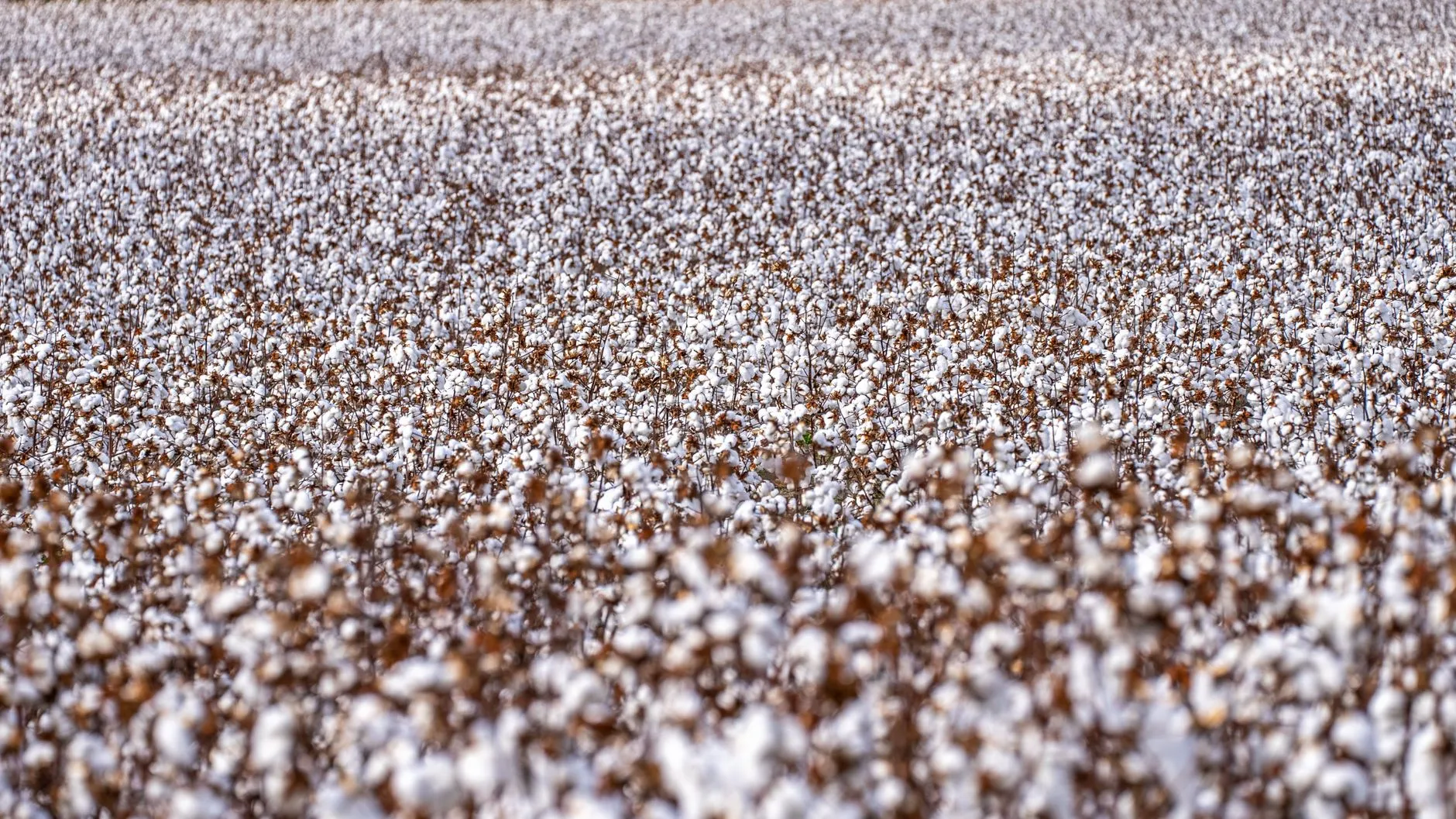
Cotton growers enrolled in the Better Cotton program are cutting synthetic nitrogen use, reducing pesticide applications, and lowering their carbon footprint across a global farming network. The findings, drawn from Better Cotton's latest impact assessment and reported in trade publications during October 2024, show that most participating farmers are making measurable environmental progress compared to their own baselines before joining the scheme.
For UK businesses sourcing cotton, these results matter because they provide traceable data to support sustainability claims. Brands and retailers increasingly face pressure to demonstrate environmental performance in their supply chains. Consequently, evidence of reduced input intensity in raw material production helps meet both regulatory expectations and customer demands.
Better Cotton operates as a global standard for more sustainable cotton farming. Growers who meet its criteria receive licensing and support, including training in soil health, water management, and integrated pest control. The program emphasizes practical farm interventions rather than abstract commitments, focusing on techniques such as composting, cover cropping, and crop rotation.
The organization has published impact data periodically over its 15-year history. However, external coverage describes the latest report as the first comprehensive global readout in several years, making it a significant benchmark for the sector.
Reductions in synthetic inputs and emissions intensity
According to Better Cotton's published data and contemporaneous reporting, 69% of licensed farmers reduced synthetic nitrogen use per kilogram of cotton since joining the program. Similarly, 65% cut synthetic pesticide active ingredient use per hectare, and 54% lowered their carbon footprint per kilogram of cotton over the same period.
These figures represent cumulative improvements measured against each farmer's starting point. Therefore, they reflect the effect of participation over time rather than a single growing season. The longer a grower has been enrolled, the more opportunity they have had to adopt soil-improving practices and reduce reliance on synthetic inputs.
Better Cotton also tracks year-on-year seasonal changes. In the most recent season covered by the report, 61% of participating farmers reduced synthetic nitrogen use compared to the previous year. Meanwhile, 49% reduced their carbon footprint year on year, and 40% cut synthetic pesticide active ingredient use per hectare.
Water use also showed improvement among irrigated farms. Specifically, 52% of fully irrigated operations reduced irrigation water applied per kilogram of cotton. Among that group, the average water reduction reached 29%.
Another notable result concerned highly hazardous pesticides. Better Cotton reported that 81% of farmers did not use these substances during the 2023/24 season. The organization described this as a record high in its history.
Measured progress rather than absolute comparisons
It is important to understand what these figures do and do not represent. Better Cotton's metrics compare each farmer's current performance to their own past practice, not to every alternative production system globally. In other words, the data show improvement relative to individual baselines rather than universal benchmarks.
Nevertheless, the scale of the reported reductions suggests meaningful change in a sector often criticized for heavy chemical and water use. The improvements are not confined to small pilot projects but are spread across a large commercial grower base.
This distinction matters for businesses evaluating sourcing options. A 69% reduction in nitrogen use sounds impressive, but it reflects progress among farmers who may have started from different baseline intensities. The data indicate direction and momentum, not necessarily best-in-category performance across all contexts.
External coverage has echoed the headline figures and placed them within broader industry trends. Trade publications noted the scale of participation and the consistency of reductions across input categories. Coverage also highlighted Better Cotton's emphasis on practical agronomic training and farm-level support.
Farm practices driving input reductions
Better Cotton attributes much of the improvement to specific agronomic interventions. Farmers receive training in composting, which adds organic matter to soil and can reduce synthetic fertilizer needs. Cover cropping and intercropping help manage pests and improve soil structure, while crop rotation breaks pest and disease cycles.
These practices address multiple environmental goals simultaneously. Healthier soils retain water more effectively, reducing irrigation demand. Diverse cropping systems support natural pest control, lowering pesticide use. Organic matter addition increases carbon sequestration, which contributes to lower net emissions.
The approach is incremental rather than transformative. Growers adopt practices step by step, often starting with simpler interventions such as soil testing or compost application before moving to more complex rotations or integrated pest management. This staged adoption helps explain why cumulative reductions are larger than seasonal changes.
Better Cotton has also begun pairing agronomic training with technology. In September 2024, the organization announced a partnership with Avalo focused on AI-driven cotton breeding. The aim is to develop varieties that need less water and fertilizer, effectively building environmental efficiency into the crop itself.
This combination of practice change and breeding innovation signals a longer-term shift in how the program operates. Early efforts centered on farmer education and field-level management. Now, Better Cotton is incorporating data tools and genetic improvement to support input reduction at scale.
Verified carbon accounting and brand reporting
In May 2024, Better Cotton reported results from a pilot project with Indigo Ag that verified greenhouse gas emission reductions among U.S. cotton growers. Participating farmers achieved a 54% reduction in emissions, rising to 77% when carbon removals were included. The pilot covered more than 19,000 acres across Arkansas, Mississippi, and Missouri.
This program matters because it provides brands with reportable carbon-reduction data tied directly to cotton sourcing. Many retailers and manufacturers face pressure to demonstrate Scope 3 emissions reductions in their supply chains. Verified data from farming operations allows them to quantify progress rather than relying on estimates or industry averages.
For UK businesses, this type of traceability is increasingly valuable. Public sector suppliers, in particular, must often demonstrate environmental performance through procurement frameworks such as PPN 06/21. Private sector brands face similar expectations from investors, customers, and campaigners.
The U.S. pilot also shows how Better Cotton is evolving its model. Earlier reporting focused on practice adoption and input reduction. Now, the organization is developing mechanisms to verify and quantify climate outcomes, making the data more useful for corporate reporting and compliance.
However, verified carbon accounting requires additional investment in measurement and third-party validation. It is not yet standard across Better Cotton's global network. The U.S. pilot demonstrates feasibility, but scaling this approach will depend on grower participation, technology costs, and demand from brands willing to pay for traced, verified cotton.
What UK businesses sourcing cotton should know
- 69% of Better Cotton licensed farmers have reduced synthetic nitrogen use per kilogram of cotton since joining the program, with 65% cutting pesticide active ingredient use per hectare and 54% lowering carbon footprint per kilogram.
- Year-on-year seasonal data show 61% reduced nitrogen use, 49% reduced carbon footprint, and 40% reduced pesticide use in the most recent season covered by the report.
- 81% of participating farmers did not use highly hazardous pesticides during the 2023/24 season, the highest proportion in Better Cotton's 15-year history.
- 52% of fully irrigated farms reduced irrigation water applied per kilogram of cotton, with an average reduction of 29% among that group.
- Better Cotton's metrics measure improvement against each farmer's own baseline, not universal benchmarks or alternative production systems.
- A U.S. pilot with Indigo Ag verified 54% greenhouse gas emission reductions among participating growers, rising to 77% when carbon removals were included, covering over 19,000 acres.
- The organization is pairing agronomic training with technology partnerships, including AI-driven breeding for water and fertilizer efficiency.
Commercial implications for sourcing and compliance
The reported reductions offer UK businesses several advantages. First, they provide evidence to support sustainability claims in marketing and corporate reporting. Brands can cite third-party data on input reduction and emissions intensity when describing their cotton sourcing.
Second, the improvements align with regulatory expectations around environmental performance. UK businesses supplying the public sector already encounter requirements to demonstrate carbon reduction and responsible sourcing. Better Cotton data can help meet these criteria, particularly for textiles and uniforms.
Third, lower input intensity can translate into cost savings at farm level, which may eventually affect pricing. Reduced nitrogen and pesticide use lowers production costs, though this benefit depends on input prices, yields, and local market conditions.
Fourth, verified emissions data opens pathways to carbon reduction claims that withstand scrutiny. As greenwashing regulations tighten, businesses need traceable evidence for environmental statements. Verified cotton sourcing provides a defensible basis for such claims.
However, businesses should also recognize limitations. Better Cotton is one standard among several, and its metrics are relative rather than absolute. A farm that has reduced nitrogen use by 50% may still apply more fertilizer than an organic operation or a farm in a different climatic zone.
Additionally, the data describe farmer-level outcomes, not fiber-level traceability. Better Cotton operates on a mass balance model in much of its supply chain, meaning certified cotton may be mixed with conventional fiber during processing. Full traceability requires physical segregation, which adds cost and complexity.
Nevertheless, the scale of participation and the consistency of reported reductions suggest that Better Cotton is driving meaningful change across a large farming network. For businesses seeking to reduce supply chain environmental impact, it represents a credible option with growing data support.
Practical considerations for procurement teams
Procurement teams evaluating cotton sourcing should ask suppliers whether they source Better Cotton and, if so, what proportion of their fiber meets the standard. They should also clarify whether the supply chain uses mass balance or physical segregation, as this affects the precision of environmental claims.
For businesses with carbon reporting obligations, it is worth asking whether suppliers can provide verified emissions data for their cotton sourcing. The U.S. pilot shows this is technically feasible, though it may not yet be available for all origins or suppliers.
Businesses should also consider how Better Cotton fits within broader sustainable procurement strategies. Sustainable procurement support can help evaluate trade-offs between different standards, assess supplier capabilities, and align sourcing decisions with corporate sustainability targets.
Public sector suppliers, in particular, should understand how Better Cotton data can support tender responses and compliance with government procurement policy. Demonstrating measurable environmental improvement in supply chains is increasingly expected, and third-party certification provides useful evidence.
Finally, businesses should recognize that cotton sustainability is a moving target. Standards evolve, measurement methods improve, and buyer expectations shift. Staying informed about developments in cotton production and certification helps procurement teams make decisions that remain defensible over time.
Broader context for UK sustainability policy
The Better Cotton results arrive as UK businesses face growing pressure to demonstrate supply chain sustainability. Large companies must report greenhouse gas emissions under the Streamlined Energy and Carbon Reporting framework, which includes Scope 3 emissions from purchased goods. Consequently, sourcing decisions directly affect reported emissions.
At the same time, the government's net zero strategy places emphasis on supply chain decarbonization. Businesses are expected to engage suppliers, measure emissions, and demonstrate progress. Compliance support for carbon reporting often includes supply chain assessment and data collection, where sourcing decisions play a central role.
Better Cotton's shift toward verified carbon accounting aligns with these regulatory trends. As reporting requirements tighten, businesses need credible data rather than general claims. Standards that provide quantified, third-party-verified environmental outcomes become more valuable.
For smaller businesses, the challenge is different. SMEs may lack the resources to conduct detailed supply chain assessments or negotiate with distant suppliers. However, choosing certified cotton through established suppliers offers a simpler route to improved environmental performance without requiring direct engagement with farms.
Where to find more information
Better Cotton publishes regular reports and data on its website, including annual assessments and impact summaries. The organization's reporting covers global data as well as regional breakdowns, providing detail on practice adoption and environmental outcomes.
For businesses interested in carbon accounting and supply chain emissions, the Department for Energy Security and Net Zero provides guidance on government conversion factors for company reporting. This resource helps translate sourcing decisions into emissions estimates for corporate reporting.
The UK government's Procurement Policy Note 06/21 sets out expectations for carbon reduction plans in public sector supply chains. Understanding these requirements helps businesses align sourcing strategies with tender criteria.
Trade publications such as Sourcing Journal and Just Style provide ongoing coverage of cotton sustainability developments, including new partnerships, technology pilots, and industry initiatives. These sources offer context and analysis beyond headline figures.
For businesses seeking practical support with sustainable sourcing and compliance, carbon reporting programs and advisory services can help evaluate options, engage suppliers, and build defensible sustainability strategies.