
Better Cotton's First Impact Report in Five Years
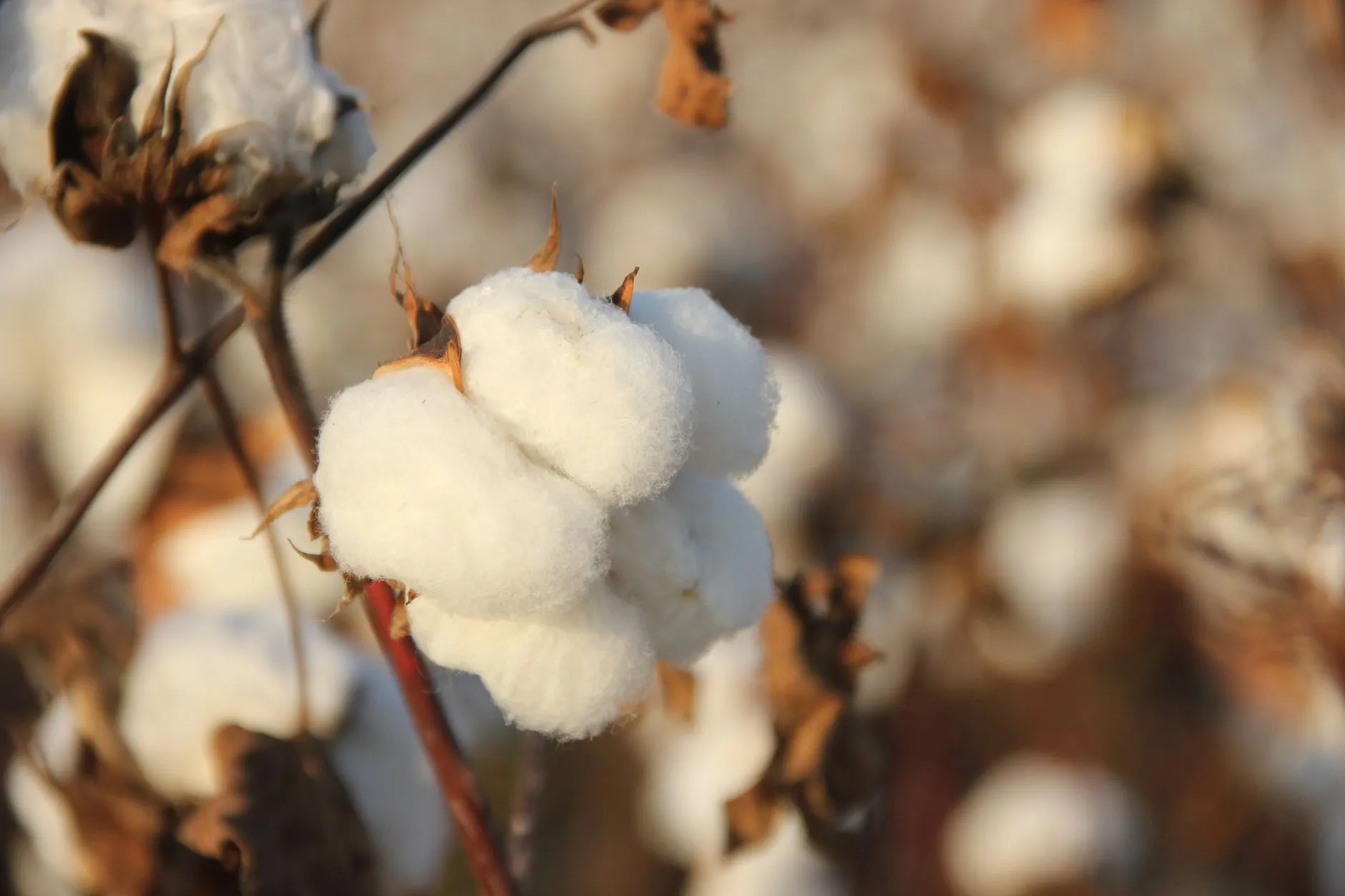
Better Cotton has released its first global impact report in five years. The timing is significant. The organization, which runs the world's largest cotton sustainability program, has faced mounting pressure over traceability gaps and greenwashing allegations. For UK businesses that source cotton products or supply major retailers, the report offers new data on environmental outcomes. However, it also raises questions about what sustainability certification can and cannot guarantee in complex supply chains.
The apparel and textile sector remains under intense scrutiny. Investors, regulators, and procurement teams increasingly demand evidence that sustainability claims reflect measurable change on the ground. Better Cotton's new report attempts to address this by publishing nine years of field data covering soil health, water use, pesticide reduction, and farmer income. Whether this evidence is sufficient to restore confidence depends on how businesses interpret the numbers and what assurance frameworks they require from their own suppliers.
For SMEs navigating sustainability reporting, supply chain due diligence, and customer expectations around environmental credentials, this development matters. Cotton appears in everything from workwear to packaging. Understanding what certified sourcing actually delivers is essential for compliance, risk management, and credible disclosure.
Nine years of field data released after extended gap
Better Cotton's impact report draws on data collected from licensed farms across multiple growing regions since 2015. The organization has acknowledged that the five-year gap between global reports occurred because standardizing farm-level data across geographies proved difficult. Nevertheless, the report now provides aggregated findings that Better Cotton says demonstrate measurable environmental and economic benefits.
According to the published data, nearly 70% of licensed farmers improved soil health by up to 30% on average. Meanwhile, 54% reduced their carbon footprint. Among smallholder farmers, 59% reported improved net income from cotton production. The organization emphasizes that outcomes vary significantly by region, reflecting differences in climate, farming practices, and local economic conditions.
Better Cotton has positioned the report as evidence that its program delivers tangible results. The data covers water use, fertilizer and pesticide application rates, and soil quality indicators. For businesses that source certified cotton, these metrics provide a basis for assessing whether the program aligns with their own environmental targets and supplier standards.
The release coincides with World Cotton Day, an annual event that focuses attention on the cotton sector's sustainability challenges. Better Cotton's decision to publish at this time suggests an intent to reassert its role as a credible standard in a market increasingly skeptical of certification schemes that lack transparent verification.
Earthsight investigation triggered calls for stronger oversight
The report arrives in the wake of serious allegations. In 2024, Earthsight published an investigation claiming that cotton from Brazilian farms linked to deforestation, land grabbing, and harassment of local communities had entered supply chains for major fashion brands including H&M and Zara. The cotton in question had been certified under Better Cotton's program.
Better Cotton commissioned an independent audit in response. The audit concluded that no breach of standards had occurred at the farms reviewed. However, the organization acknowledged weaknesses in its farm-level oversight. It also signaled plans to expand due diligence beyond individual farming sites to include corporate ownership structures and broader land-use contexts.
Critics argued that the audit was too narrow. Consequently, they said it missed governance risks and ownership issues that certification alone cannot address. For businesses relying on Better Cotton certification as part of their supply chain assurance, this raised uncomfortable questions about what certification actually verifies and what risks remain unaddressed.
The controversy highlighted a structural challenge facing all sustainability certification programs. Farm-level compliance with environmental practices does not necessarily capture risks related to land rights, labor conditions, or the actions of corporate owners. Therefore, businesses that depend on third-party certification need to understand the limits of what those schemes can guarantee.
Mass balance system remains a point of contention
Better Cotton operates a mass balance system. Under this model, certified and conventional cotton can be mixed at various stages of the supply chain. Physical traceability to a specific farm is not required. Instead, brands purchase credits equivalent to the volume of Better Cotton they claim to use. The actual cotton in their products may not be physically traceable to certified farms.
This approach has been criticized by campaigners and transparency advocates for years. The argument is that mass balance makes verification difficult and weakens accountability. For businesses that need to demonstrate genuine supply chain traceability, particularly those tendering for public sector contracts or responding to investor ESG due diligence, the mass balance model presents a problem.
Better Cotton has defended the system as a practical way to scale sustainability improvements across the cotton sector. Physical segregation of certified cotton is costly and operationally complex. Nevertheless, the trade-off is reduced visibility. Businesses must weigh the benefits of supporting widespread adoption of improved farming practices against the limitations of traceability when assessing their own sourcing policies.
Some retailers and brands have begun demanding higher levels of traceability, moving beyond mass balance to physically segregated supply chains. This trend reflects growing pressure from regulators, investors, and consumers for evidence that sustainability claims are directly linked to specific sourcing decisions.
What the data shows and what it does not
The impact report provides aggregated environmental and economic metrics. These include reductions in water use, lower application rates for synthetic fertilizers and pesticides, and improvements in soil organic matter. For farmers, the data also shows income gains, particularly among smallholders who adopted Better Cotton practices.
However, the report does not address land governance, labor rights, or ownership structures. Therefore, it does not resolve the concerns raised by the Earthsight investigation. The data demonstrates that certified farmers are implementing specific agricultural practices. It does not provide assurance on issues such as land tenure, community rights, or deforestation linked to broader corporate activities.
For UK businesses, this distinction is important. Environmental metrics such as water use and pesticide reduction are valuable for reporting against Scope 3 emissions and environmental targets. Nevertheless, they do not cover the full range of risks that can arise in agricultural supply chains. Companies subject to modern slavery reporting, due diligence legislation, or investor ESG scrutiny need additional assurance mechanisms beyond farm-level certification.
Better Cotton has indicated that it is working to expand its due diligence processes. The organization is considering direct oversight of large farm owners and improved traceability to the ginning stage. These steps would address some of the gaps identified by critics. However, implementation timelines and verification standards have not yet been published.
Key details from the impact report
- Better Cotton has published its first global impact report in five years, drawing on nine years of field data from licensed farms.
- Nearly 70% of licensed farmers improved soil health by up to 30% on average, according to the report.
- 54% of farmers achieved reductions in their carbon footprint through changes in fertilizer use and other practices.
- 59% of smallholder farmers reported improved net income from cotton production after adopting Better Cotton standards.
- The report emphasizes regional variation in outcomes, reflecting differences in climate, farming systems, and economic conditions.
- Better Cotton operates a mass balance system, which allows certified and conventional cotton to be mixed in supply chains without physical traceability to individual farms.
- The organization has committed to expanding due diligence beyond farm-level compliance to include corporate ownership and land-use contexts, following criticism over traceability and governance risks.
Implications for UK businesses sourcing cotton products
For SMEs that manufacture, import, or sell cotton products, Better Cotton certification is likely to feature in supplier claims and customer expectations. Understanding what the certification guarantees and where gaps remain is essential for managing risk and making informed sourcing decisions.
The new impact report provides evidence that Better Cotton farmers are implementing environmental practices that reduce resource use and improve soil quality. This data can support environmental reporting and help businesses demonstrate progress against sustainability targets. For example, companies reporting Scope 3 emissions from purchased goods may use certified sourcing as part of their reduction strategy.
However, the mass balance system means physical traceability is limited. Businesses that need to verify the origin of their cotton for regulatory compliance, tender requirements, or brand assurance may need additional documentation or alternative certification schemes that offer segregated supply chains. This is particularly relevant for public sector suppliers subject to Procurement Policy Note 06/21 on carbon reduction, where evidence of supply chain action is required.
The governance and land rights issues raised by the Earthsight investigation also matter. Companies with exposure to reputational risk or investor scrutiny should consider whether farm-level certification alone provides sufficient assurance. Additional due diligence on suppliers, including ownership structures and land-use history, may be necessary to meet emerging regulatory standards and stakeholder expectations.
Better Cotton's commitment to expand its due diligence processes is a positive development. Nevertheless, businesses should not assume that current certification alone addresses all supply chain risks. A layered approach to assurance, combining certification with supplier audits, traceability systems, and direct engagement with producers, is likely to be more robust.
Certification alone does not guarantee full supply chain transparency
The Better Cotton case illustrates a broader challenge facing businesses that rely on third-party certification. Standards and labels provide a framework for improvement, but they do not replace direct oversight or comprehensive due diligence. Therefore, companies should view certification as one component of a wider risk management strategy, not a standalone solution.
For SMEs with limited resources, this creates a practical dilemma. Third-party certification is cost-effective and scalable, but it has limitations. Developing in-house assurance processes is resource-intensive. The solution often lies in collaboration with suppliers, industry bodies, and other businesses to share information and pool resources for deeper supply chain visibility.
Businesses should also consider how certification aligns with their specific compliance obligations. For example, carbon reporting and ESG compliance requirements increasingly demand evidence of Scope 3 emissions reductions. Farm-level data on pesticide and fertilizer use can support this, but only if the data is verifiable and linked to actual sourcing volumes.
Similarly, companies tendering for public sector contracts must demonstrate alignment with government net zero commitments. Carbon reduction programs and credible reporting are essential for meeting these requirements. Certified sourcing can form part of this evidence base, provided the certification is credible and the data is accurate.
What businesses should consider in response
The publication of Better Cotton's impact report does not change immediate compliance obligations for UK businesses. However, it does provide an opportunity to review sourcing policies, supplier assurance processes, and sustainability claims. Businesses should ask whether their current approach to certified sourcing is sufficient for their risk profile and reporting needs.
First, review supplier documentation. If your suppliers claim Better Cotton certification, verify what that means in practice. Is the cotton physically traceable, or is it accounted for through mass balance? Does the certification cover the environmental metrics you need for your own reporting? Are there additional assurances in place for labor rights, land governance, and deforestation?
Second, consider how certification fits within your broader due diligence framework. Certification is not a substitute for supplier engagement, audits, or direct oversight. Businesses with significant cotton sourcing should ensure they have multiple layers of assurance, particularly if they operate in sectors with high reputational risk or regulatory scrutiny.
Third, assess how your sourcing decisions align with emerging regulatory requirements. The UK is moving toward mandatory climate disclosure and supply chain due diligence. Businesses should ensure their sustainability claims are backed by verifiable data and that their sourcing policies can withstand scrutiny from regulators, investors, and customers.
Finally, stay informed about developments in certification standards. Better Cotton's commitment to expand due diligence is significant. If implemented effectively, it could strengthen the program's credibility. Businesses should monitor progress and adjust their sourcing policies accordingly. Training on supply chain due diligence and carbon reporting can help teams stay current with evolving standards and best practices.
Where to find further information
Better Cotton publishes its impact data, standards, and assurance processes on its website. Businesses seeking detailed information on the new report or the organization's due diligence commitments should consult these resources directly. The Department for Energy Security and Net Zero provides guidance on carbon reduction and climate disclosure requirements for UK businesses.
The Procurement Policy Note 06/21 sets out carbon reduction plan requirements for suppliers to central government. Businesses tendering for public sector contracts should review this guidance to understand how sourcing decisions may need to be documented and verified.
For broader context on sustainability certification and supply chain transparency, the Cambridge Institute for Sustainability Leadership and the Institute of Environmental Management and Assessment publish research and guidance relevant to UK businesses. These resources can help companies develop informed sourcing strategies and robust assurance frameworks.