
CMA CGM and DSV's Partnership for Low-Carbon Shipping
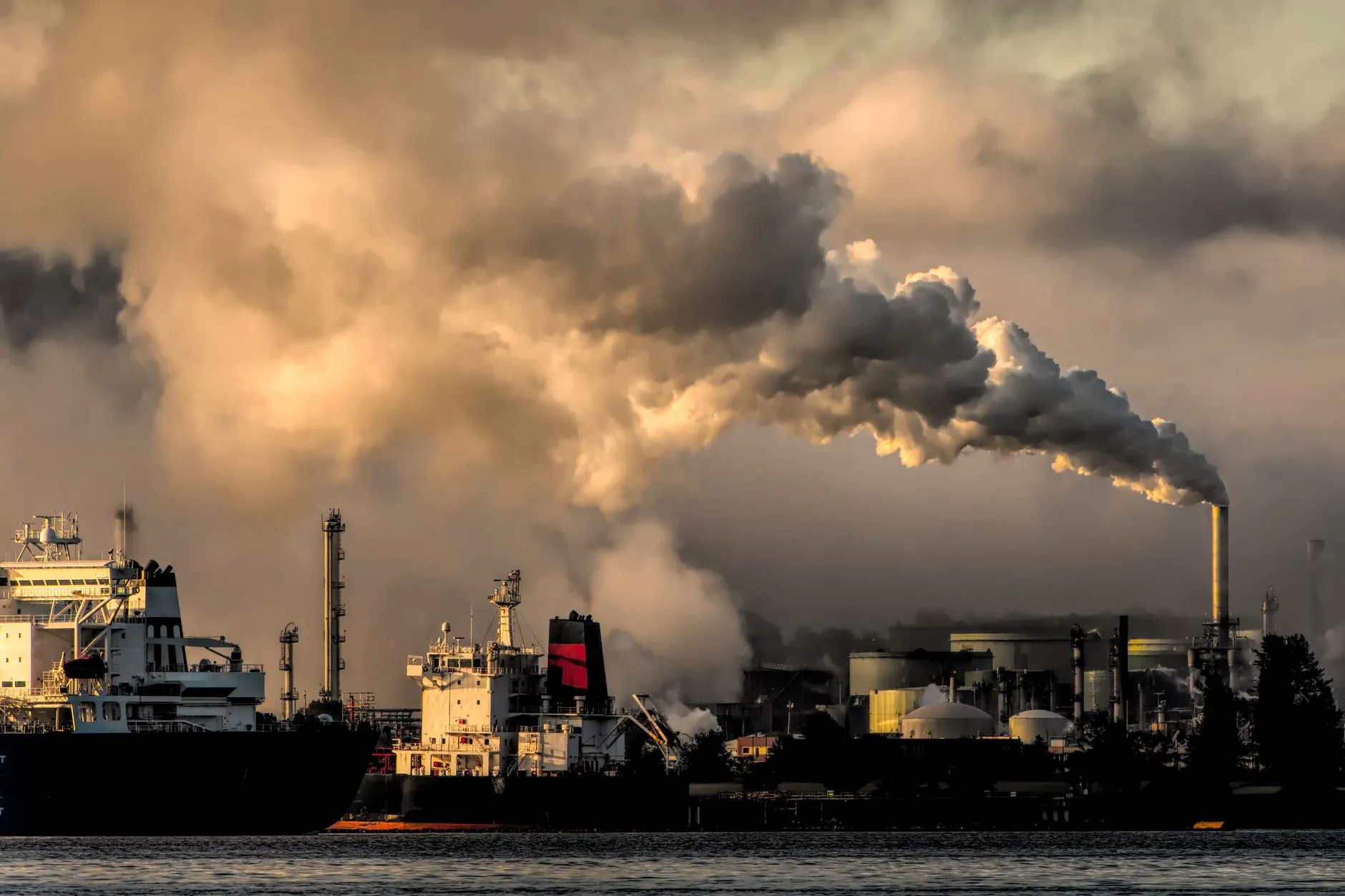
A major European shipping line and one of the world's largest logistics operators have signed a two-year contract to cut maritime transport emissions using waste-based biofuel. The deal targets a reduction of 12,000 tonnes of CO2 and highlights how customer pressure is starting to push ocean freight toward lower-carbon fuel options.
CMA CGM, the French container shipping group, will supply DSV with lower-emission ocean transport through its ACT+ service. The service uses second-generation biofuel made from used cooking oil methyl ester, known as UCOME. CMA CGM claims the fuel can reduce emissions by up to 83% compared to conventional marine diesel.
For UK businesses shipping goods internationally, the agreement shows how Scope 3 emissions from freight are moving from abstract reporting categories into commercial contract terms. DSV has publicly linked the deal to its 2050 net-zero commitment. That suggests logistics providers are starting to build lower-carbon transport into their service offerings, not just their corporate strategies.
The arrangement follows a "book and claim" model. DSV pays for lower-emission fuel to be used somewhere in CMA CGM's fleet, then claims the associated carbon reduction against its own shipments. This means DSV does not need to specify which vessels burn the biofuel or manage fuel procurement directly. Instead, the emissions benefit is allocated contractually.
How the UCOME biofuel arrangement works in practice
Second-generation biofuels are made from waste feedstocks rather than purpose-grown crops. UCOME is produced from used cooking oil. It can be blended with or used in place of conventional heavy fuel oil in ship engines without major modifications.
CMA CGM has not disclosed which routes or vessels will burn the fuel under this contract. Consequently, the operational detail behind the 12,000-tonne reduction figure remains unclear. However, the company has confirmed that the emissions savings will be achieved through the physical use of UCOME-based biofuel across its fleet.
The 83% reduction claim is based on a well-to-wake lifecycle assessment. This includes emissions from extracting, refining, and burning the fuel. Conventional marine fuel produces significant upstream emissions during extraction and refining. UCOME, by contrast, is derived from a waste product that would otherwise require disposal.
Lifecycle assessments for waste-based biofuels can vary depending on how system boundaries are drawn and what emissions are attributed to the original use of the cooking oil. Nevertheless, regulators in the EU and UK generally accept that waste-based biofuels deliver substantial carbon savings compared to fossil alternatives.
CMA CGM also offers bio-liquefied natural gas, or BioLNG, through the ACT+ service. The company has invested in dual-fuel vessels capable of running on LNG and has begun to incorporate renewable gas into its fuel mix. The DSV agreement, however, focuses specifically on UCOME-based biofuel.
Why logistics companies are paying for lower-carbon shipping
Ocean freight accounts for a significant share of global goods transport emissions. For many UK manufacturers and retailers, maritime shipping represents the largest single source of Scope 3 emissions. Unlike road or air freight, however, shippers have historically had limited influence over vessel fuel choices.
That dynamic is changing. Large logistics operators such as DSV are under growing pressure from their own customers to reduce supply chain emissions. Consequently, they are starting to negotiate lower-carbon transport terms with carriers. This shifts some of the demand signal for cleaner fuel from shipping lines to cargo owners.
DSV has committed to net-zero emissions across its operations and value chain by 2050. The company has stated that this agreement with CMA CGM supports that target. For DSV, paying a premium for lower-emission ocean freight allows it to demonstrate progress on Scope 3 reductions without waiting for the entire shipping industry to decarbonise.
The arrangement also reflects the limited options available to businesses trying to cut maritime emissions quickly. Building zero-emission vessels takes years. Retrofitting existing ships is complex and expensive. Alternative fuels such as green hydrogen or ammonia remain in early development. Waste-based biofuels, by contrast, can be used today in existing engines.
For UK businesses, this creates both an opportunity and a challenge. Suppliers and logistics partners are beginning to offer lower-carbon freight options. However, these services typically carry a cost premium. Companies that commit to science-based emissions targets or bid for public contracts under PPN 06/21 may need to evaluate whether paying for lower-carbon shipping is commercially viable.
Book and claim models allow businesses to access emissions reductions without needing to manage fuel procurement or specify individual vessels. This simplifies the administrative burden. However, it also means the emissions benefit is based on contractual allocation rather than physical traceability. Some stakeholders question whether this approach delivers the same level of transparency as directly fuelling specific shipments.
Commercial and compliance implications for UK businesses
Freight emissions are becoming a more visible part of supply chain due diligence. UK companies selling to public sector buyers must now report carbon reduction plans under PPN 06/21. Those plans increasingly need to address Scope 3 emissions, including transport.
Businesses that export goods or import raw materials may find that customers or investors ask how they are managing shipping emissions. Paying for lower-carbon freight through services such as ACT+ provides a documented reduction that can be included in carbon reports. This may help meet tender requirements or satisfy corporate customers with their own net-zero commitments.
However, the cost difference between conventional and lower-carbon shipping has not been disclosed. CMA CGM has not published standard pricing for ACT+, and the commercial terms of the DSV deal remain confidential. This makes it difficult for smaller businesses to estimate whether similar arrangements are affordable.
There is also the question of how these reductions are verified and reported. Book and claim systems rely on third-party assurance to confirm that the claimed volume of low-carbon fuel was actually used. CMA CGM has published terms and conditions for ACT+ that reference lifecycle emissions calculations and fuel usage tracking. Businesses using such services should ask for clear documentation of how reductions are measured and allocated.
For manufacturers and retailers with complex international supply chains, the DSV agreement signals that major logistics providers are starting to integrate lower-carbon options into their standard offerings. This could simplify procurement in the medium term. Rather than negotiating separate sustainability terms with each carrier, businesses may be able to specify emissions performance as part of a logistics contract.
At the same time, relying on third-party book and claim schemes means businesses have less direct control over how reductions are achieved. Companies with detailed carbon accounting requirements may need to assess whether contractual emissions allocations meet the standards set by the Greenhouse Gas Protocol or the Science Based Targets initiative.
What UK businesses should understand about this agreement
- CMA CGM and DSV have signed a two-year contract targeting a reduction of 12,000 tonnes of CO2 through the use of second-generation UCOME-based biofuel in ocean freight.
- The fuel is made from used cooking oil and CMA CGM claims it can reduce emissions by up to 83% compared to conventional marine diesel on a lifecycle basis.
- The deal uses a book and claim model, meaning DSV pays for lower-carbon fuel to be used across CMA CGM's fleet and claims the emissions benefit contractually rather than through physical traceability to specific shipments.
- DSV has publicly linked the agreement to its commitment to reach net-zero emissions across operations and its value chain by 2050.
- Neither company has disclosed the routes, shipment volumes, or cost premium associated with the contract, leaving some operational details unclear.
What businesses shipping goods internationally should consider
This agreement is a commercial example of how maritime emissions are being addressed through fuel switching rather than waiting for new vessel technology. For UK businesses, it raises practical questions about whether to pursue similar arrangements and how to evaluate them.
First, consider whether freight emissions are material to your carbon footprint. If ocean shipping represents a significant share of your Scope 3 emissions, you may face growing pressure from customers, investors, or tender requirements to demonstrate reductions. Lower-carbon freight services provide one route to doing so.
Second, ask logistics providers what options they offer. DSV is not the only company exploring lower-emission shipping. Other major freight forwarders and carriers are developing similar products. However, availability, cost, and verification standards vary. Request clear information on how emissions are measured, what fuels are used, and how reductions are documented.
Third, assess whether book and claim models meet your reporting needs. These systems allow you to claim emissions reductions without managing fuel procurement directly. They are administratively simpler than insisting on specific vessels burning specific fuels. Nevertheless, you should confirm that the allocation method aligns with the standards you use for carbon accounting, particularly if you report under the Greenhouse Gas Protocol or have committed to science-based targets.
Businesses preparing carbon reduction plans for public sector tenders should also consider how these reductions will be presented. PPN 06/21 requires suppliers to show how they will reduce emissions over the contract term. Paying for lower-carbon freight can form part of that plan, but you will need to provide evidence of the fuel used, the emissions saved, and the methodology applied.
Finally, evaluate the cost. Lower-carbon marine fuels typically carry a premium over conventional heavy fuel oil. The size of that premium depends on fuel type, market conditions, and contract terms. For businesses operating on tight margins, the additional cost may be material. However, companies bidding for public contracts or supplying customers with mandatory emissions reporting may find that the cost of lower-carbon freight is smaller than the risk of losing business.
Support is available for businesses working through these decisions. Our net-zero program for carbon reporting compliance helps UK SMEs measure, report, and reduce Scope 3 emissions, including freight. We also provide sustainable procurement support for public sector suppliers preparing for PPN 06/21 tender requirements.
Where to find further information on maritime emissions and biofuels
The Department for Transport publishes policy and guidance on shipping decarbonisation, including the UK's maritime emissions strategy. The Department for Energy Security and Net Zero provides information on renewable fuels and net-zero policy.
The International Maritime Organization sets global standards for shipping emissions. Details on fuel standards and emissions regulations can be found through the IMO website. The Greenhouse Gas Protocol offers guidance on measuring and reporting Scope 3 emissions from freight and logistics.
Businesses seeking training on carbon measurement and reporting can access resources through the SBS Academy, which covers Scope 3 emissions accounting and supply chain decarbonisation strategies.