
Government backs £90 million heat network project in London
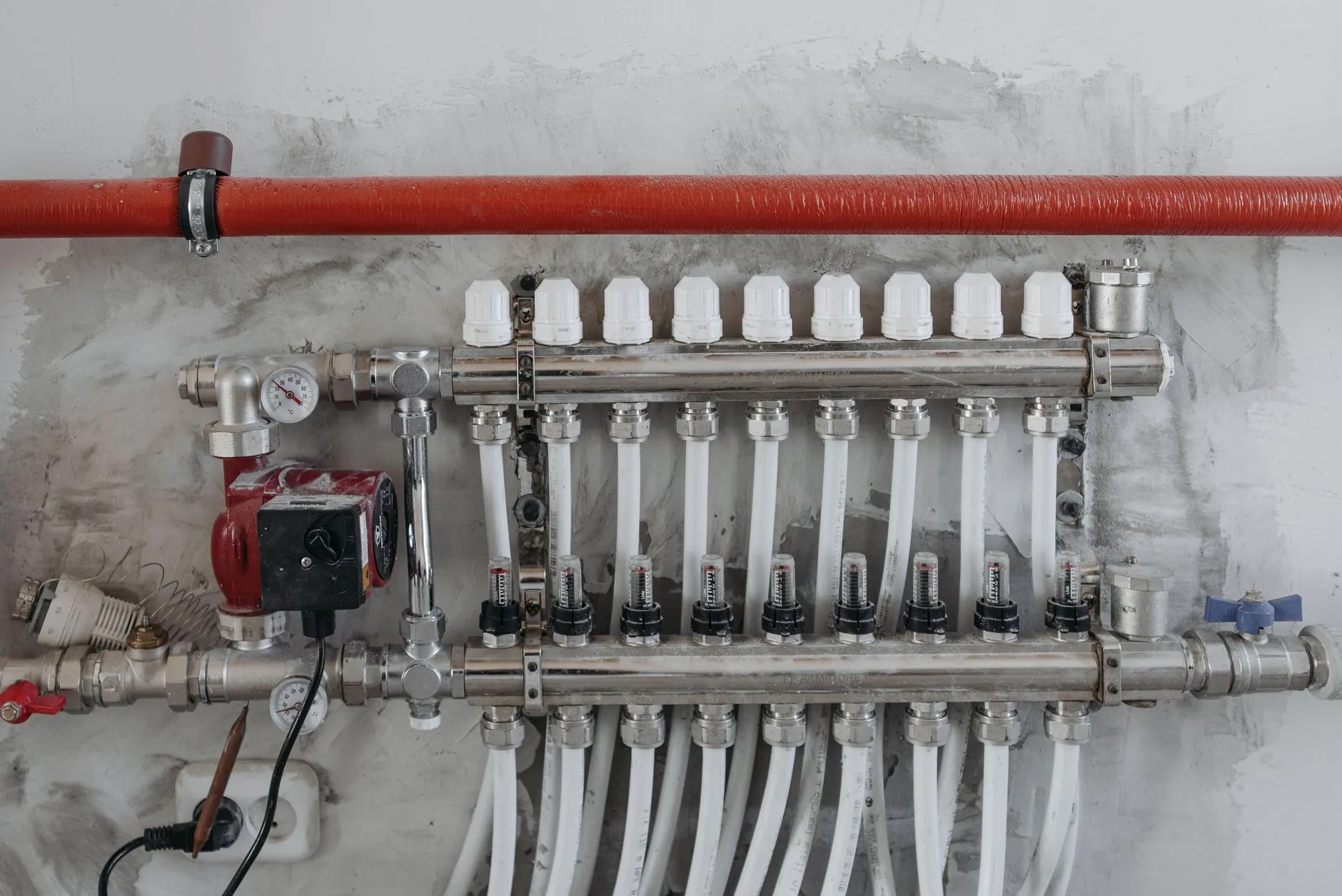
London is about to test a new approach to heating buildings that has never been tried before. The government has announced £90 million for heat networks across England and Wales, with £41 million going to a Thames-based project that could eventually serve 650,000 homes. The scheme plans to use electric barges to carry hot water along the river before feeding it into underground pipes. If it works, the model could reshape how dense urban areas move away from gas heating.
For businesses, this signals a shift in how heating infrastructure is being planned and funded. Heat networks are becoming a serious alternative to individual building systems, particularly in cities where large amounts of waste heat are available but go unused. The government is backing this approach with substantial capital, and that creates both opportunities and planning considerations for property owners, developers and manufacturers.
The funding round also includes smaller regional projects. Bradford will receive £9.7 million to extend an existing network to a hospital, seven schools and colleges, and 255 homes. Solihull has been awarded £3.9 million to expand a network serving council buildings, a leisure centre, a theatre and a college. Meanwhile, £13.3 million will go towards upgrading 76 inefficient heat networks already operating across England and Wales.
These awards suggest that heat networks are no longer experimental. They are being treated as established infrastructure that needs both expansion and improvement. The government is moving beyond pilot schemes and starting to fund projects at a scale that could change the economics of heating in urban areas.
How the Thames project plans to work
The London Strategic Heat Main is designed to move low-carbon heat from various sources across the capital. The first phase involves electric barges transporting hot water 25 kilometres each day along the Thames. That heat will then be fed into a tunnel built beneath and alongside the river, connecting to local heat networks across multiple boroughs.
The route is expected to pass through Bexley, Greenwich, Lewisham, Southwark, City of London, Lambeth and Westminster. Government materials suggest the project could eventually support more than one million residents if fully developed. Ministers say it could also unlock around £5 billion in further investment for local heat networks across London.
The scheme is currently subject to planning consent. However, officials say it could create skilled jobs in tunnelling, engineering and river logistics. The project builds on earlier work in London to identify large-scale low-carbon heat opportunities, including the South Westminster Area Network, which aimed to use waste heat from the River Thames, the London Underground and sewer networks.
Separately, a project in Bexley and Greenwich has received £11.5 million and could ultimately serve up to 100,000 homes. This suggests that the Thames corridor is becoming a focus area for heat network development, with multiple schemes being layered together to create wider coverage.
Why this funding matters for UK businesses
Heat networks change the commercial equation for property owners and tenants. Instead of maintaining individual boilers, buildings connect to a shared system that supplies heat from a central source. Operating costs can be lower, particularly where waste heat is used. Maintenance responsibilities shift to the network operator, and carbon emissions drop if the heat source is low-carbon.
For manufacturers and industrial sites, heat networks create a potential revenue stream. Waste heat that would normally be vented or cooled can be sold to a network operator instead. This makes sites more energy-efficient and can improve carbon accounting. As more networks are built, demand for waste heat sources will grow, and industrial sites near urban areas could benefit.
Developers and landlords need to consider whether new buildings should be designed for heat network connection rather than standalone gas boilers. In areas where networks are being built or extended, planning authorities may expect new developments to connect. Retrofitting later is more expensive than designing for connection from the start.
Public sector suppliers should also take note. Hospitals, schools and council buildings are among the early adopters in the Bradford and Solihull schemes. Businesses tendering for public sector contracts may find that buildings they operate from or supply are connected to heat networks, which could affect energy costs and carbon reporting.
Carbon reporting obligations are another factor. Businesses with net-zero commitments need to account for emissions from heating. Switching from gas boilers to a low-carbon heat network can reduce Scope 1 and Scope 2 emissions, depending on the heat source. This can help meet carbon reduction targets and improve performance against carbon reporting requirements under PPN 06/21 for public sector suppliers.
There are also implications for energy procurement. Businesses connected to heat networks buy heat rather than gas or electricity for heating. Contracts are typically structured differently, with charges based on heat consumption and sometimes a standing charge for connection. Understanding these terms is important for budgeting and cost control.
Finally, the scale of investment being unlocked suggests that heat networks will become a larger part of the UK's energy infrastructure. Businesses involved in construction, engineering, tunnelling, or energy services may find new commercial opportunities as more projects move forward. Conversely, businesses that rely on gas heating equipment or related services may need to adapt as heat networks expand.
Key details from the funding announcement
- The London Strategic Heat Main has been awarded £41 million and could eventually serve 650,000 homes, with the potential to benefit more than one million residents.
- The initial phase will use electric barges to transport hot water 25 kilometres each day along the Thames before feeding it into a tunnel beneath the river.
- The project is expected to unlock around £5 billion in further investment for local heat networks across London, subject to planning consent.
- Bradford will receive £9.7 million to extend an existing heat network to 255 homes, a hospital, and seven schools and colleges.
- Solihull has been awarded £3.9 million to expand a network serving council buildings, a leisure centre, a theatre and a college.
- A separate project in Bexley and Greenwich has received £11.5 million and could ultimately serve up to 100,000 homes.
- £13.3 million will go towards upgrading 76 inefficient heat networks already operating across England and Wales.
- The Thames project will pass through Bexley, Greenwich, Lewisham, Southwark, City of London, Lambeth and Westminster.
What businesses should be thinking about
The first question is whether your site or property is in an area where heat networks are being built or extended. Local authorities and network operators usually publish plans and consultation documents. Checking these early helps you understand whether connection is optional or likely to become a requirement through planning policy.
If your business operates from leased premises, it is worth clarifying who would be responsible for connection costs and ongoing heat supply charges. Lease terms may need to be reviewed or renegotiated if a building switches from individual heating to a network connection. Landlords and tenants should agree on how costs and responsibilities are allocated before any work starts.
Manufacturers and industrial sites with significant waste heat should assess whether selling that heat to a network operator is viable. This requires understanding the temperature, volume and consistency of the waste heat available, as well as the proximity to existing or planned heat networks. In some cases, capital grants may be available to help install the equipment needed to capture and transfer waste heat.
Businesses with carbon reduction commitments should model the impact of switching to a heat network. The carbon intensity of the heat supplied depends on the source, which could be waste heat, geothermal, combined heat and power, or other low-carbon options. Network operators should be able to provide emissions factors for their systems, which can then be incorporated into your carbon accounting.
For those involved in property development, planning applications in areas with heat network plans may require buildings to be designed for connection. This can affect mechanical and electrical design, plant room layouts, and ongoing operational costs. Engaging with network operators early in the design process can help avoid costly changes later.
Public sector suppliers should also consider how heat networks might affect the buildings they use or manage. As more public buildings connect to networks, businesses working with the NHS, schools, local authorities and other public bodies may need to factor heat network connections into their operational planning and carbon reporting.
Training and skills development will become more important as heat networks expand. Engineers, facilities managers and procurement teams may need to understand how heat networks operate, how to manage connection contracts, and how to account for heat consumption and emissions. Training on carbon reduction and energy management can help teams adapt to these changes.
Finally, businesses should keep an eye on future funding rounds. The government has signalled that heat networks are a core part of its decarbonisation strategy. More capital is likely to be made available for new projects and upgrades. Businesses that understand how heat networks work and where they are being built will be better positioned to respond to opportunities or requirements as they arise.
Where to find more information
The Department for Energy Security and Net Zero provides updates on heat network policy and funding. Details on the £90 million package and the London Strategic Heat Main are available through official government announcements.
For businesses considering heat network connections, the Chartered Institution of Building Services Engineers offers technical guidance on heat networks and connection standards. Local authorities in areas where networks are being built typically publish consultation documents and planning information.
If your business needs support with carbon reporting, compliance, or understanding how heat networks affect your net-zero strategy, our compliance and carbon reporting services can help. We work with SMEs across the UK to manage carbon reduction, meet regulatory requirements, and prepare for changes in energy infrastructure.