
Levi Strauss & Co. and Marks & Spencer Launch Collaborative Programme for Renewable Energy
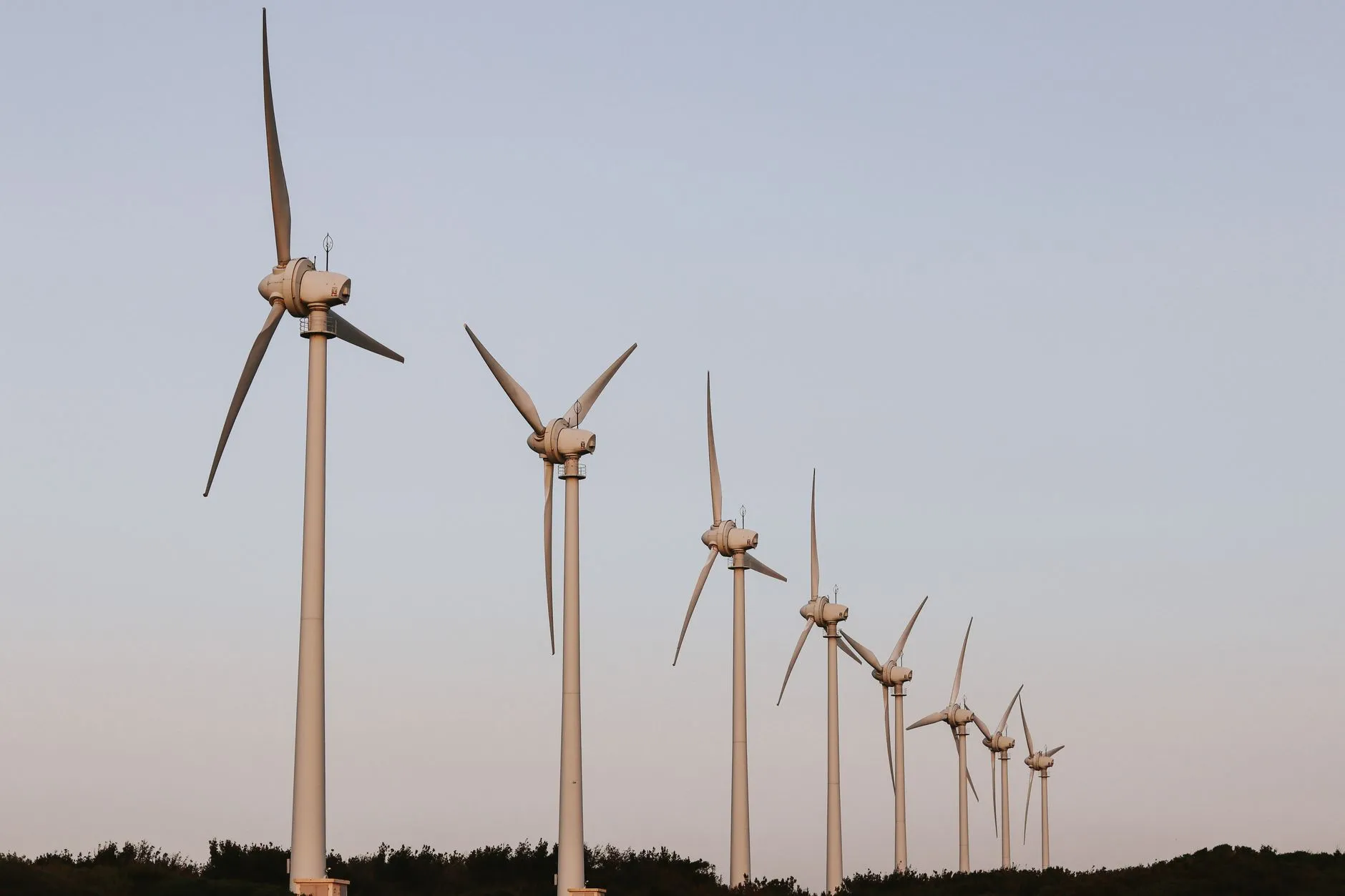
Two major fashion retailers have launched a joint initiative to help their suppliers switch to renewable electricity. Levi Strauss & Co. and Marks & Spencer announced the Fashion Renewable Collaborative in September 2026 during New York Climate Week. The program aims to cut emissions from textile factories by pooling brand demand and offering factories a clearer route to clean power.
For UK businesses that supply the fashion sector, this matters. Supply chain emissions are increasingly shaping tender decisions and contract terms. Nearly 500 supplier facilities have already registered through earlier engagement work. The scale suggests that suppliers now face direct commercial pressure to prove they're moving toward renewable electricity.
The program operates through Schneider Electric's advisory services. It offers digital onboarding, renewable energy market guidance, and support with procurement options including power purchase agreements and on-site generation. Instead of fielding separate requests from each brand, suppliers can now access shared support through a single framework.
Textile processing drives most fashion emissions
Textile manufacturing creates more than half of the apparel industry's total emissions, according to data from the Apparel Impact Institute. That includes fabric mills, dye houses, and wet processing facilities. Most of those emissions come from electricity use, which makes supplier energy procurement a critical factor in sector decarbonisation.
However, suppliers often struggle to act on brand climate demands. Requests arrive in different formats from different customers. Factories lack expertise in renewable energy markets. Financing options are unclear. Consequently, many suppliers face conflicting priorities without the resources to respond effectively.
The collaborative was designed to address that fragmentation. Rather than leaving each factory to navigate renewable electricity markets independently, it provides coordinated support and aggregates demand. This approach could reduce what industry observers call "supplier fatigue," where factories receive overlapping sustainability requests without practical help to implement them.
M&S and Levi's set aggressive climate targets
Marks & Spencer has committed to net zero across its entire value chain by 2040 under its Plan A sustainability programme. That deadline is ten years ahead of the UK's national 2050 target. Achieving it depends heavily on supplier emissions, which sit outside M&S's direct operational control.
Levi Strauss & Co. has set a net-zero goal for 2050. The company also aims to cut supply chain emissions by 42% by 2030. Both brands acknowledge that meeting these targets requires systemic change in how suppliers access clean electricity, not just isolated factory-level projects.
These commitments reflect a wider commercial reality. Investors, regulators, and large customers now scrutinise Scope 3 emissions, which include supply chain impacts. For brands, that means supplier decarbonisation has shifted from a voluntary initiative to a business-critical requirement. For suppliers, it creates new risk if they fall behind peers on renewable energy adoption.
M&S described the collaborative as essential to making the transition easier for supply partners. The company said it was committed to working with others to accelerate renewable electricity uptake across its value chain. Levi's positioned the initiative as a way to combine brand engagement with practical implementation support at scale.
How the collaborative supports supplier procurement
The Fashion Renewable Collaborative provides three main services to participating suppliers. First, it offers digital education and onboarding through Schneider Electric's Resource Advisor+ platform. This gives factories access to training on renewable energy options and market conditions.
Second, it provides market guidance tailored to different geographies and regulatory environments. Suppliers receive advice on which renewable electricity solutions are viable in their specific location, including grid conditions, policy incentives, and commercial terms. Third, it supports procurement processes for solutions such as power purchase agreements, energy attribute certificates, on-site solar or wind generation, distributed generation, and energy storage.
Importantly, the model pools demand from multiple brands. This gives suppliers a stronger negotiating position when approaching renewable energy developers or utilities. It also reduces duplication, as suppliers no longer need to respond separately to similar requests from different customers. The shared framework should cut administrative costs and speed up implementation.
For UK suppliers, this matters because renewable electricity procurement remains unfamiliar territory for many manufacturers. Small and medium-sized facilities often lack in-house sustainability teams. They may not know the difference between a virtual power purchase agreement and an on-site installation. The collaborative aims to close that knowledge gap and provide actionable next steps.
Supply chain pressure increases across UK manufacturing
The launch of this collaborative reflects broader shifts in UK business conditions. Large retailers and public sector buyers increasingly require suppliers to demonstrate carbon reduction progress. Procurement Policy Note 06/21, which applies to central government contracts above £5 million annually, requires bidders to publish a carbon reduction plan and commit to net zero by 2050.
Although PPN 06/21 applies to public sector tenders, its impact extends into private supply chains. Many corporate buyers now impose similar requirements. Consequently, businesses that cannot show credible emissions reduction plans risk exclusion from tenders. Renewable electricity use has become a standard component of those plans.
Furthermore, mandatory climate reporting is expanding. Large UK companies must report emissions under the Streamlined Energy and Carbon Reporting framework. Many are also preparing for more detailed Scope 3 disclosure requirements. As a result, they need reliable data from suppliers on energy use and carbon intensity. Suppliers that cannot provide that data may lose competitiveness.
The Fashion Renewable Collaborative responds to these pressures by offering suppliers a practical route to renewable electricity. It also creates a network effect: as more suppliers adopt clean power, laggards face greater commercial risk. This dynamic could accelerate the pace of change across textile manufacturing, particularly in regions where UK and European brands source heavily.
What UK suppliers and brands should understand
- Levi Strauss & Co. and Marks & Spencer launched the Fashion Renewable Collaborative in September 2026 to help suppliers adopt renewable electricity at scale.
- The program operates through Schneider Electric's advisory services and provides education, market guidance, and procurement support to participating factories.
- Nearly 500 supplier facilities have already registered, indicating significant early interest from the manufacturing base.
- Textile processing accounts for more than half of apparel sector emissions, making supplier electricity use the largest single lever for decarbonisation.
- M&S aims for net zero across its value chain by 2040, while Levi's targets a 42% supply chain emissions reduction by 2030 and net zero by 2050.
- The collaborative pools brand demand and reduces fragmented requests, which should cut administrative burden and improve supplier access to renewable energy markets.
- Additional fashion brands are being invited to join as sponsors and members, suggesting the initiative will expand beyond its two founding companies.
Commercial risks and opportunities for suppliers
Suppliers face a clear choice. Those that move early on renewable electricity gain a commercial advantage. They strengthen their position with existing customers and improve their appeal to new ones. They may also lock in favourable energy pricing before competition for clean power intensifies in key manufacturing regions.
Conversely, suppliers that delay face mounting risks. Brands with aggressive climate targets will prioritise factories that demonstrate emissions reduction. Contract renewals may become conditional on renewable energy adoption. Tenders may explicitly score suppliers on electricity sources. In some cases, brands may exit relationships with high-carbon facilities altogether.
For UK businesses that manage international supply chains, the collaborative offers a coordination tool. Instead of managing renewable energy procurement separately with dozens of factories, brands can direct suppliers to a shared support framework. This reduces internal resource demands and creates consistent expectations across the supplier base.
It also provides a model for other sectors. Construction materials, electronics, food processing, and automotive all face similar challenges with supplier emissions. If the Fashion Renewable Collaborative succeeds, expect parallel initiatives in those industries. UK suppliers across multiple sectors should therefore treat this as a signal of wider structural change in procurement practices.
Steps businesses should consider now
Suppliers in the fashion sector should assess their current electricity sources and understand their options for switching to renewables. This includes reviewing contract terms with existing energy providers, exploring on-site generation feasibility, and understanding local grid conditions. Businesses that supply M&S or Levi's should expect direct engagement on renewable electricity in upcoming contract discussions.
UK manufacturers in other sectors should monitor how this model develops. The collaborative approach could become standard practice for managing supply chain emissions. Consequently, businesses should begin mapping their own electricity use and identifying credible pathways to renewable sources. Early preparation will reduce costs and avoid rushed decisions when customers impose new requirements.
Brands and retailers should consider whether their current supplier engagement model is fit for purpose. Fragmented sustainability requests create inefficiency and slow progress. Joining or creating collaborative frameworks may deliver faster results than isolated brand initiatives. Additionally, businesses preparing for carbon reporting compliance should ensure they have clear data collection processes in place for Scope 3 emissions.
Training also matters. Many businesses lack in-house expertise on renewable energy procurement, power purchase agreements, and energy attribute certificates. Our SBS Academy training programmes cover these topics in practical detail, helping teams understand options and make informed decisions. Similarly, businesses working toward net-zero programmes should integrate supplier engagement into their carbon reduction strategies from the outset.
Where to find further guidance
The UK government provides detailed guidance on energy procurement and carbon reduction through the Department for Energy Security and Net Zero. Businesses can access information on renewable electricity options, policy incentives, and regulatory requirements at gov.uk.
For specific advice on Streamlined Energy and Carbon Reporting requirements, visit the government's environmental reporting guidelines. These set out the mandatory reporting framework for large UK companies and provide calculation methodologies for emissions disclosure.
The Institution of Environmental Management & Assessment offers professional resources on supply chain sustainability and renewable energy procurement. Their guidance helps businesses understand sector-specific challenges and identify credible solutions. Businesses involved in public sector supply chains should also review Procurement Policy Note 06/21 to understand carbon reduction plan requirements.
Schneider Electric's Resource Advisor+ platform, which underpins the Fashion Renewable Collaborative, offers tools for tracking energy use and managing renewable electricity procurement. While commercial, it represents the type of digital infrastructure increasingly used to manage supply chain sustainability at scale.