
Ongoing Wars Put Low-Carbon Energy in Security Spotlight
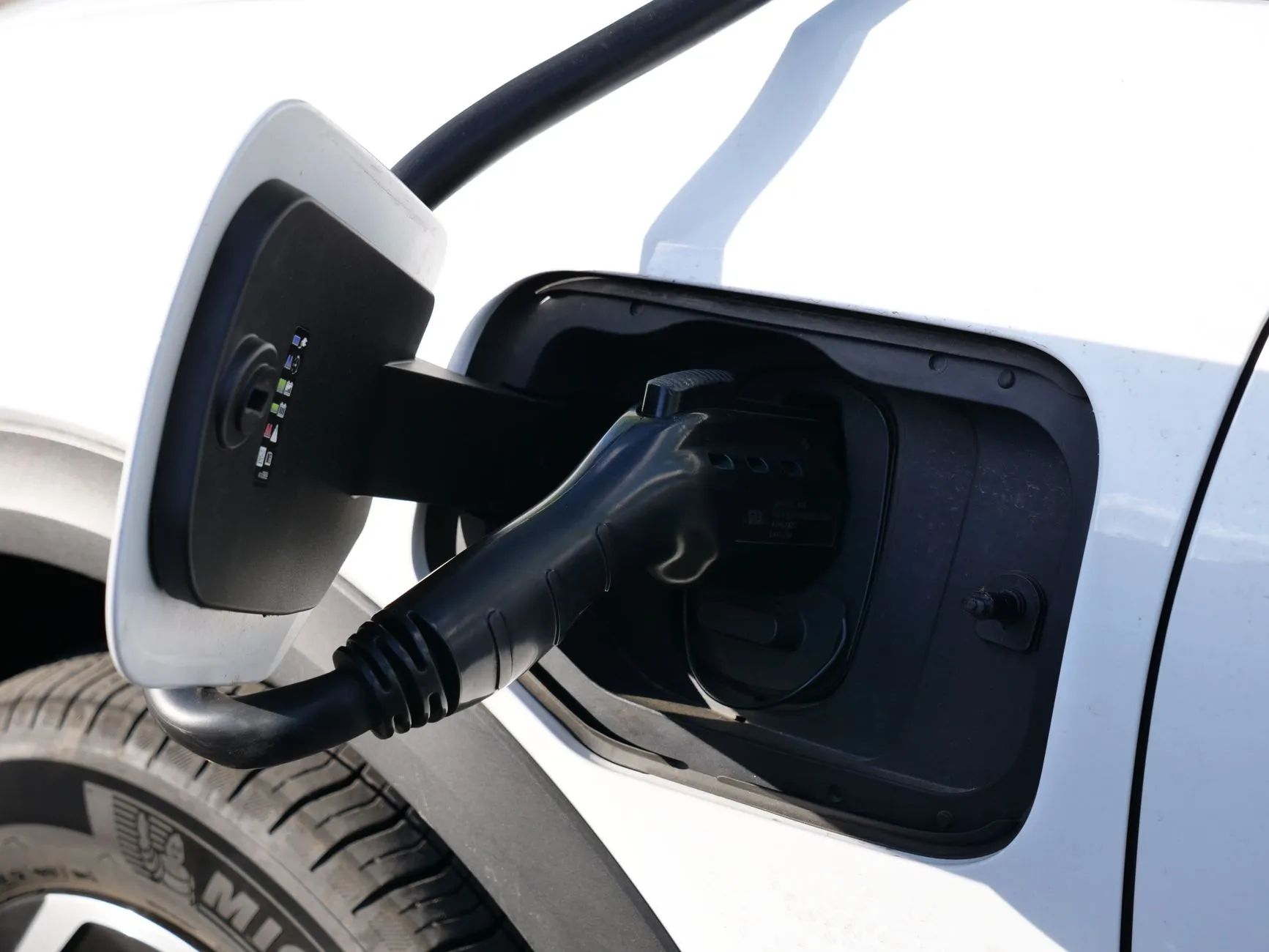
Geopolitical conflict is changing how governments think about energy security. The wars in Ukraine and the Middle East have prompted a shift in policy, with low-carbon technologies now treated as tools to reduce reliance on imported fossil fuels rather than simply as climate measures. Consequently, electrification and renewable energy are being reframed as forms of energy sovereignty.
This change matters for UK businesses because it signals a lasting policy environment where clean energy investment receives support on security grounds, not just environmental ones. For SMEs navigating net zero requirements, supply chain decisions, and tender criteria, the convergence of security and decarbonisation creates both pressure and opportunity.
Energy security used to mean diversifying suppliers and holding strategic reserves. That approach still applies during immediate crises. However, the longer-term response is now different. Instead of simply replacing one source of imported fuel with another, governments are investing in technologies that reduce the need for imports altogether.
Electric vehicles, heat pumps, solar panels, and biodiesel mandates all serve a dual purpose. They cut emissions, but they also shrink demand for oil, gas, and refined products that must be bought from abroad. As a result, energy independence and decarbonisation are no longer separate goals.
How conflict has accelerated the policy shift
Russia's invasion of Ukraine in 2022 exposed the risks of dependency on imported fossil fuels. European countries faced soaring gas prices and supply disruption. Governments responded with emergency measures, including sourcing alternative liquefied natural gas, subsidising consumers, and drawing down strategic stocks.
However, the crisis also triggered a longer-term rethink. Policymakers began to view fossil fuel imports as a strategic vulnerability. Therefore, investment in domestic renewable generation and electrification increased as a hedge against future shocks.
The ongoing conflict in the Middle East has reinforced this shift. According to Energy Intelligence, the conflict is broadening the definition of energy security as importers turn to low-carbon technologies to reshape demand and reduce fossil fuel reliance. Governments are no longer treating clean energy solely as a climate tool. Instead, they are using it to gain greater control over their energy systems.
Countries with domestic fossil fuel resources are maximising production to reduce imports. Meanwhile, countries without those resources are turning to renewables and electrification to produce more energy at home. Both strategies aim to reduce exposure to international supply chains and price volatility.
This dual approach is significant. It means that clean energy deployment is gaining support from ministries and departments that previously prioritised traditional energy security. Defence, trade, and economic planning teams are now involved in decisions that used to sit solely with environment departments.
Technologies driving the security agenda
Four areas stand out as particularly relevant to the security-driven energy transition. Each reduces the volume of imported fuels needed to power transport, heat buildings, or generate electricity.
Electric vehicles replace petrol and diesel with electricity that can be generated domestically. Heat pumps do the same for gas boilers, using electricity to provide heating and hot water. Solar panels allow businesses and households to generate their own power, reducing grid demand and import dependency. Biodiesel mandates lower the share of crude oil in transport fuel, substituting it with domestically grown or regionally sourced biofuels.
As one analysis notes, an electric vehicle, heat pump, solar panel, or biodiesel mandate does more than cut emissions. It can reduce the need to import fuels whose supply is vulnerable to outside disruption. This dual benefit is reshaping investment priorities and regulatory frameworks.
Importantly, the cost of these technologies is falling. In many cases, low-carbon options now approach or reach parity with fossil fuel alternatives. This convergence makes the security argument more compelling. Governments can reduce import dependence without imposing prohibitive costs on businesses or consumers.
The result is a policy environment where security, affordability, and decarbonisation increasingly align. That alignment matters for SMEs because it suggests that support for clean energy will persist even if political priorities shift away from climate.
What this means for manufacturers and industrial users
For manufacturers, the shift creates both risks and opportunities. On the risk side, continued fossil fuel price volatility and potential supply disruption remain concerns. Businesses that rely heavily on imported gas or oil face ongoing uncertainty. Moreover, competitors in countries with stronger domestic energy resources may gain cost advantages.
On the opportunity side, investing in energy efficiency, electrification, and onsite generation can reduce exposure to these risks. Businesses that move early may benefit from grants, tax incentives, and preferential procurement criteria linked to energy security goals. Furthermore, supply chain partners and public sector buyers are increasingly asking about energy sourcing and resilience.
Industrial users should also watch for policy changes that treat clean energy as infrastructure investment rather than environmental compliance. Governments framing renewables as security assets may offer financing, planning support, or grid access on different terms than before. Consequently, projects that previously struggled for approval may become more viable.
Energy-intensive sectors face particular pressure. If governments view fossil fuel imports as a liability, industries that consume large volumes of gas or oil may face higher costs, new taxes, or regulatory scrutiny. In contrast, sectors that decarbonise quickly may secure competitive advantages in export markets and government contracts.
Service firms and compliance considerations
For service businesses, the implications are less direct but still significant. Energy costs affect overheads, particularly for office-based firms with vehicle fleets or large premises. Rising fuel prices driven by geopolitical instability can erode margins unless mitigated through efficiency measures or renewable energy contracts.
Additionally, procurement rules and tender criteria are shifting. Public sector contracts increasingly include net zero requirements, and private sector supply chains are following suit. Businesses that can demonstrate reduced reliance on imported fossil fuels may score better in tenders, especially where resilience and security are evaluation criteria.
Compliance is also evolving. Carbon reporting requirements such as Streamlined Energy and Carbon Reporting already apply to many medium-sized businesses. As security-driven energy policy gains traction, expect additional reporting on energy sourcing, import dependency, and resilience planning. Therefore, early adoption of robust carbon reporting can position businesses favourably for future requirements.
Service firms with property portfolios should consider heat pumps, solar panels, and battery storage. These investments reduce exposure to gas price volatility and electricity imports. They also improve Environmental, Social, and Governance scores, which matter for insurance premiums, financing terms, and corporate reputation.
Supply chain and procurement impacts
Supply chains are a critical area where the security-energy nexus affects UK SMEs. Procurement standards such as PPN 06/21 already require suppliers to demonstrate carbon reduction plans when bidding for central government contracts. However, the security framing adds another layer.
Buyers are starting to ask not only about carbon emissions but also about energy resilience. Can your suppliers maintain operations during fuel price spikes or import disruption? Do they rely on single energy sources or have diversified their energy mix? These questions are becoming more common in supplier audits and risk assessments.
For SMEs, this means reviewing your own energy strategy and understanding the energy profiles of key suppliers. Businesses that depend entirely on imported gas or diesel face greater scrutiny than those using a mix of renewables, battery storage, and efficiency measures. Similarly, transport-heavy operations may need to demonstrate plans for fleet electrification or alternative fuels.
The shift also creates opportunities. Businesses that invest in energy security can differentiate themselves in competitive procurement processes. Moreover, demonstrating resilience to geopolitical shocks may help secure longer-term contracts and preferred supplier status.
Essential facts about the security-energy policy shift
- Governments are treating electrification and renewable energy as tools to reduce vulnerability to imported fossil fuels, not only as climate measures.
- The policy shift accelerated after Russia's 2022 invasion of Ukraine and has been reinforced by the ongoing Middle East conflict.
- Electric vehicles, heat pumps, solar panels, and biodiesel mandates are being deployed to cut both emissions and import dependency.
- Low-carbon technology costs are approaching parity with fossil fuels, making the security case more affordable for governments and businesses.
- Countries with domestic fossil resources are maximising production, while import-dependent countries are investing in clean energy to produce more domestically.
- Energy ministries, defence departments, and economic planners are now involved in clean energy decisions that previously sat with environment teams.
- The convergence of security, affordability, and decarbonisation suggests that support for clean energy will persist regardless of shifts in climate policy priorities.
Strategic considerations for UK businesses
The reframing of low-carbon energy as a security tool has practical implications for how UK SMEs should think about their energy strategies. Decisions about heating systems, vehicle fleets, and electricity contracts are no longer purely operational. They also affect resilience, compliance, and competitiveness.
Businesses should start by assessing their exposure to fossil fuel price volatility. How much of your energy spend goes on gas, petrol, or diesel? What would a sustained price spike or supply disruption mean for your margins? Understanding this baseline helps prioritise action.
Next, consider the technologies that reduce import dependency. Heat pumps, electric vehicles, and onsite solar generation all shrink your reliance on fuels that must be bought from international markets. Additionally, they align with emerging policy priorities around energy sovereignty. Therefore, investing in these areas may attract grant funding, tax relief, or preferential treatment in procurement.
Carbon reporting is another area to watch. Our compliance support services help businesses meet existing requirements under Streamlined Energy and Carbon Reporting and prepare for future changes. As security-driven policy evolves, expect additional questions about energy sourcing and resilience in regulatory filings and tender responses.
Training is also important. Understanding how energy security intersects with net zero helps your team make informed decisions about capital investment, supply chain management, and contract negotiations. The SBS Academy offers practical guidance on carbon reduction, energy efficiency, and sustainable procurement tailored to UK SMEs.
For businesses pursuing public sector contracts, demonstrating alignment with security-driven energy goals can strengthen bids. This means showing not only that you are reducing emissions but also that you are reducing dependence on vulnerable fuel imports. Our net zero program supports businesses in developing credible carbon reduction plans that meet procurement standards.
Finally, consider how energy security fits into broader risk management. Geopolitical instability is not going away. Businesses that build resilience into their energy systems are better positioned to weather future shocks. Moreover, they send a signal to investors, insurers, and customers that they are thinking strategically about long-term risks.
Where to find authoritative guidance and policy updates
The UK government provides detailed guidance on energy efficiency, carbon reporting, and renewable energy support through the Department for Energy Security and Net Zero. This department oversees policy on both energy security and decarbonisation, reflecting the convergence discussed in this article.
For businesses seeking to reduce energy costs and improve resilience, the Industrial Energy Transformation Fund offers grants for energy efficiency and low-carbon technologies in industrial settings. Similarly, the Energy Technology List identifies qualifying equipment for enhanced capital allowances.
Public sector suppliers should review PPN 06/21 guidance on carbon reduction plans, which sets out the requirements for demonstrating net zero commitments in central government tenders. The UK Net Zero Strategy provides the broader policy context for how security and decarbonisation goals are being integrated across government.
Businesses should also monitor updates from regulators such as Ofgem, which oversees energy markets and grid access, and industry bodies including the Institute of Environmental Management and Assessment, which offers professional standards and training on energy and carbon management.