
Study reveals $12 trillion potential from restored oyster reefs
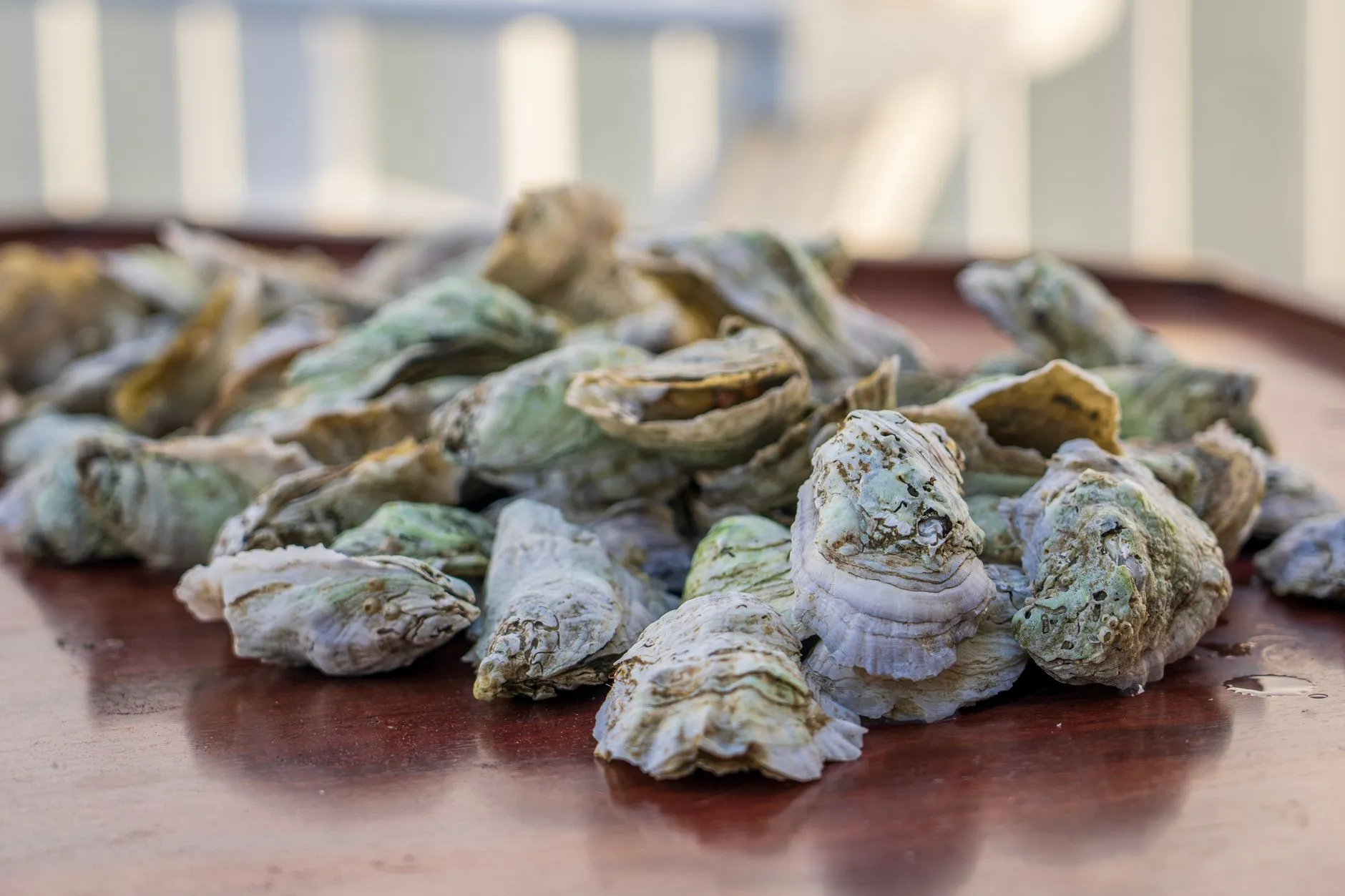
Oyster reefs represent one of the most measurable opportunities in marine restoration. A recent study estimates that full restoration of reefs in the world's top 10 hotspot countries would generate ecosystem services worth roughly $12 trillion. For UK businesses tracking nature-based investment, coastal resilience, or emerging environmental markets, the valuation signals a shift in how marine ecosystems are understood and financed.
The findings come from research published in Frontiers in Marine Science. Lead author Dr Matteo Convertino of Tsinghua University and his team applied a concept called gross ecosystem product to quantify the economic output of restored reefs. This approach treats natural systems as productive infrastructure, not simply conservation assets.
Oyster reefs deliver multiple services simultaneously. They filter water, reduce wave energy, cycle nutrients, support biodiversity, and build coastal resilience. The research argues that these functions should be valued in monetary terms because they substitute for engineered solutions or prevent costs that would otherwise fall on communities and businesses.
For companies exposed to coastal risk, supply chain disruption, or environmental reporting requirements, the trillion-dollar figure matters less as a headline and more as evidence that marine restoration can be quantified, compared, and integrated into financial planning. The study also highlights two practical challenges: 90% of suitable reef sites require restoration, and 80% need active protection to prevent further degradation.
How oyster reefs function as natural infrastructure
Oyster reefs are sometimes called foundation ecosystems because they create conditions that other species depend on. A single reef can host fish, crabs, algae, and invertebrates. It acts as a physical structure in the water column, slowing currents and trapping sediment. Consequently, reefs improve water clarity and reduce coastal erosion.
The filtration capacity of oysters is well documented. Each adult oyster can filter between 30 and 50 gallons of water per day, removing algae, sediment, and organic particles. At scale, this means restored reefs can improve water quality across estuaries and bays, reducing nutrient loading and lowering the risk of algal blooms.
Meanwhile, the physical structure of reefs dissipates wave energy. Studies on breakwater-style oyster installations have shown measurable reductions in shoreline erosion compared to bare coastlines. This function becomes especially relevant as sea levels rise and storm intensity increases, particularly in regions where traditional hard defences are costly or impractical.
Earlier research had already estimated the economic value of reef services at between $5,500 and $99,000 per hectare per year. That study, published in Bioscience, also found that restored reefs could recover median restoration costs within 2 to 14 years. The new $12 trillion figure builds on this foundation by scaling the analysis globally and focusing on high-potential geographies.
A separate meta-analysis covering 3,500 kilometres of US coastline examined 245 restored versus degraded reef pairs and 136 restored versus reference pairs. Restoration increased oyster production 21-fold and improved biodiversity and habitat provisioning by between 34% and 99%. Nutrient cycling saw gains of 54% to 95% compared to degraded sites.
Why the valuation reaches $12 trillion
The $12 trillion estimate is not a measure of shellfish harvest alone. Instead, it reflects the combined value of services that reefs provide when fully restored in the countries with the greatest reef potential. The study uses gross ecosystem product as a framework, which translates ecological functions into economic equivalents.
This approach mirrors how infrastructure assets are valued in conventional finance. A coastal defence scheme might be costed based on the damage it prevents, the property it protects, and the disruption it avoids. Reefs perform similar functions but also deliver co-benefits such as habitat creation, fisheries support, and carbon sequestration.
However, the researchers caution that warming oceans threaten this potential. Temperature increases can reduce oyster growth, shift species distributions, and increase disease pressure. As a result, the $12 trillion figure represents a best-case scenario under current conditions, not a guaranteed outcome if climate trajectories remain unchanged.
The study also emphasises that restoration alone is insufficient. Without protection, reefs can degrade due to dredging, pollution, overharvesting, or coastal development. Therefore, the researchers estimate that 80% of suitable sites require active conservation measures alongside restoration efforts.
For businesses, this distinction matters. Investment in restoration may not deliver returns if underlying threats persist. Equally, protection of existing reefs may be more cost-effective in some geographies than large-scale rebuilding. The study suggests that both strategies are necessary and complementary.
Commercial and policy implications for UK firms
Although the study focuses on global hotspots, its implications extend to UK businesses operating in coastal zones, managing environmental risk, or pursuing nature-positive commitments. Oyster restoration is already underway in several UK estuaries, including the Solent, the Firth of Forth, and parts of the Thames Estuary.
These projects are relatively small in scale but demonstrate how marine restoration can be integrated into broader coastal management strategies. For example, restored reefs can reduce flood risk, improve water quality for bathing and shellfish harvesting, and support commercial fisheries. Each of these outcomes has a financial value that can be modelled and reported.
Companies with operations near coastlines may find that reef restoration reduces their exposure to storm damage, flooding, or supply chain disruption. Insurers are increasingly interested in nature-based solutions that lower claims and improve resilience. Similarly, developers working in coastal zones may be required to offset ecological impacts, and reef restoration can provide a measurable, locally relevant option.
Public sector suppliers face specific drivers. Procurement policy in England now includes carbon reduction and environmental considerations through frameworks such as PPN 06/21. Demonstrating biodiversity net gain or investment in natural capital can strengthen tender responses, particularly for infrastructure, utilities, or regeneration contracts.
The study also has relevance for firms tracking Scope 3 emissions. Coastal ecosystems, including oyster reefs, sequester carbon in sediment and biomass. While this is not yet widely integrated into carbon accounting frameworks, it may become more prominent as methodologies for blue carbon develop. Businesses investing in marine restoration could eventually count sequestration as an offset or nature credit.
Furthermore, the trillion-dollar valuation may influence how institutional investors assess marine assets. Green bonds, blue finance instruments, and blended finance structures often require clear evidence of ecological and economic return. The new research provides a quantitative basis for such assessments, even if localised valuations differ from the global figure.
Restoration quality and design considerations
Not all oyster restoration projects deliver the same outcomes. Research on reef design has shown that elevation, substrate material, and placement all influence ecological performance. Reefs built too low may not survive sedimentation. Those built too high may not retain water during low tide, reducing filtration and habitat functions.
A study published in Estuaries and Coasts examined trade-offs between different reef designs. It found that vertical relief affects both oyster growth and wave attenuation. Taller reefs tend to dissipate more wave energy but may expose oysters to higher predation. Lower reefs offer better protection from predators but provide less coastal defence.
Substrate choice also matters. Recycled oyster shell is often preferred because it provides a natural surface for larval settlement. However, shell availability can be limited, and alternative materials such as limestone or concrete are sometimes used. Each material has different durability, cost, and ecological performance.
Location is equally important. Reefs placed in areas with moderate currents and salinity tend to perform better than those in stagnant or highly variable conditions. Site selection requires baseline surveys, hydrodynamic modelling, and consultation with local stakeholders to avoid conflicts with navigation, fishing, or recreation.
For UK businesses involved in coastal projects, these technical details are not peripheral. They determine whether restoration delivers the intended benefits and whether those benefits can be verified for reporting, insurance, or regulatory purposes. Poor design can result in wasted investment and missed opportunities.
What the evidence shows about restoration outcomes
- Fully restored oyster reefs in the top 10 global hotspot countries could generate ecosystem services valued at approximately $12 trillion annually.
- Around 90% of sites suitable for oyster reefs require restoration, while 80% need active conservation protection to prevent further loss.
- Earlier research estimated that reef ecosystem services are worth between $5,500 and $99,000 per hectare each year, with restoration costs typically recovered within 2 to 14 years.
- A meta-analysis of US reefs found that restoration increased oyster production by a factor of 21, boosted biodiversity and habitat by 34% to 99%, and improved nutrient cycling by 54% to 95%.
- Warming oceans may reduce the potential value of reefs over time, meaning restoration efforts need to account for climate change and future habitat quality.
Where oyster restoration fits in UK environmental strategy
The UK government has committed to environmental net gain through the Environment Act 2021 and the 25 Year Environment Plan. Marine restoration, including oyster reefs, can contribute to statutory biodiversity targets, water quality improvements, and coastal flood risk reduction.
Several organisations are already working on reef restoration around the UK coast. The Zoological Society of London, the Marine Conservation Society, and regional wildlife trusts have launched projects in partnership with local authorities, port operators, and environmental regulators. These initiatives often combine restoration with community engagement, education, and monitoring.
Funding sources include the government's Blue Planet Fund, the Environment Agency's Water Environment Improvement Fund, and private investment through corporate biodiversity strategies. However, long-term finance remains a challenge. Most projects rely on short-term grants, which can limit the scale and continuity of restoration work.
For businesses, collaboration with these programmes offers a route to measurable environmental impact. Companies can sponsor restoration sites, provide materials or expertise, or integrate reefs into their own coastal operations. In return, they gain access to monitoring data, co-branding opportunities, and evidence for sustainability reporting.
Additionally, reef restoration can support compliance with emerging regulations. The government is developing a framework for marine net gain, similar to biodiversity net gain on land. Businesses involved in dredging, port development, or offshore construction may need to demonstrate how they will offset impacts. Oyster reefs offer a scalable, locally relevant option.
Looking ahead, the integration of blue carbon into UK climate policy could further raise the profile of marine restoration. Coastal habitats such as saltmarsh, seagrass, and oyster reefs sequester carbon in sediment. If this sequestration can be quantified and verified, it may become eligible for carbon credits or offsetting under future schemes.
Risks and limitations of the research
While the $12 trillion valuation is striking, it rests on assumptions that deserve scrutiny. The study models potential ecosystem services under full restoration in selected countries, not actual observed outcomes across all geographies. Local conditions vary widely, and not all reefs will deliver the same returns.
Climate change introduces further uncertainty. Rising temperatures, ocean acidification, and changing salinity patterns can all affect oyster survival and reef development. In some regions, warming may improve conditions for oysters. In others, it may increase disease, predation, or competition from invasive species.
The study also highlights the need for protection alongside restoration. Without management of threats such as pollution, dredging, and overharvesting, restored reefs may degrade again. This means that the $12 trillion figure depends not just on one-off restoration investment but on sustained conservation effort.
There are also practical constraints. Restoration projects require skilled labour, suitable substrate, and favourable environmental conditions. Scaling up to meet the 90% restoration target identified in the study would require coordination across governments, industries, and communities. Achieving this at speed is a significant challenge.
For businesses, the lesson is to treat the valuation as an indicator of potential rather than a guarantee. Local feasibility studies, baseline surveys, and pilot projects remain essential. Investment decisions should be based on site-specific data, not global averages.
What UK businesses should consider
Companies with coastal operations or environmental commitments may want to explore how oyster restoration fits their strategy. The starting point is understanding where reefs could deliver measurable benefits, whether for flood risk, water quality, biodiversity, or carbon sequestration.
Collaboration is likely to be more effective than independent action. Restoration projects typically involve multiple stakeholders, including regulators, conservation groups, landowners, and local authorities. Businesses can contribute funding, materials, monitoring, or expertise, and often benefit from shared learning and reduced costs.
Reporting is another consideration. Nature-positive investments are increasingly scrutinised by investors, customers, and regulators. Reef restoration projects that include robust monitoring and third-party verification can provide credible evidence for sustainability disclosures, annual reports, and tender submissions.
For firms required to demonstrate biodiversity net gain or environmental offset, oyster reefs offer a quantifiable, habitat-forming solution. The ecological uplift is measurable through metrics such as species abundance, water quality, and sediment stabilisation. This makes reefs easier to report and audit than some other nature-based interventions.
Training and capacity-building may also be relevant. As marine restoration scales up, demand will grow for professionals who understand reef ecology, project design, and environmental monitoring. SBS Academy training on biodiversity and natural capital can help teams build the knowledge needed to evaluate and support restoration initiatives.
Finally, businesses should track policy developments. The UK government is developing frameworks for marine net gain, blue carbon, and coastal resilience. Early engagement with these processes can help companies shape standards, access funding, and align investments with regulatory direction. Our nature-positive investment support includes guidance on emerging marine and coastal opportunities.
Where to find further information
The primary study on oyster reef valuation was published in Frontiers in Marine Science and is available through academic databases. The UK government's marine planning guidance is hosted on the Marine Management Organisation website, which also includes maps, licensing information, and policy updates.
The 25 Year Environment Plan sets out the government's long-term environmental goals, including commitments to marine recovery and coastal resilience. The Environment Agency publishes guidance on water quality, flood risk, and habitat creation relevant to coastal restoration projects.
For technical detail on reef design and ecological outcomes, the meta-analysis of US reef restoration is available through PubMed Central. The Bioscience paper on economic valuation of oyster reefs provides a methodological foundation for cost-benefit analysis in restoration planning.
Industry bodies such as the Institute of Environmental Management and Assessment offer resources on biodiversity net gain, natural capital accounting, and environmental impact assessment. These materials can help businesses evaluate reef restoration projects and integrate them into broader environmental strategies.