
Poll: Most Brits support data centres sharing waste heat
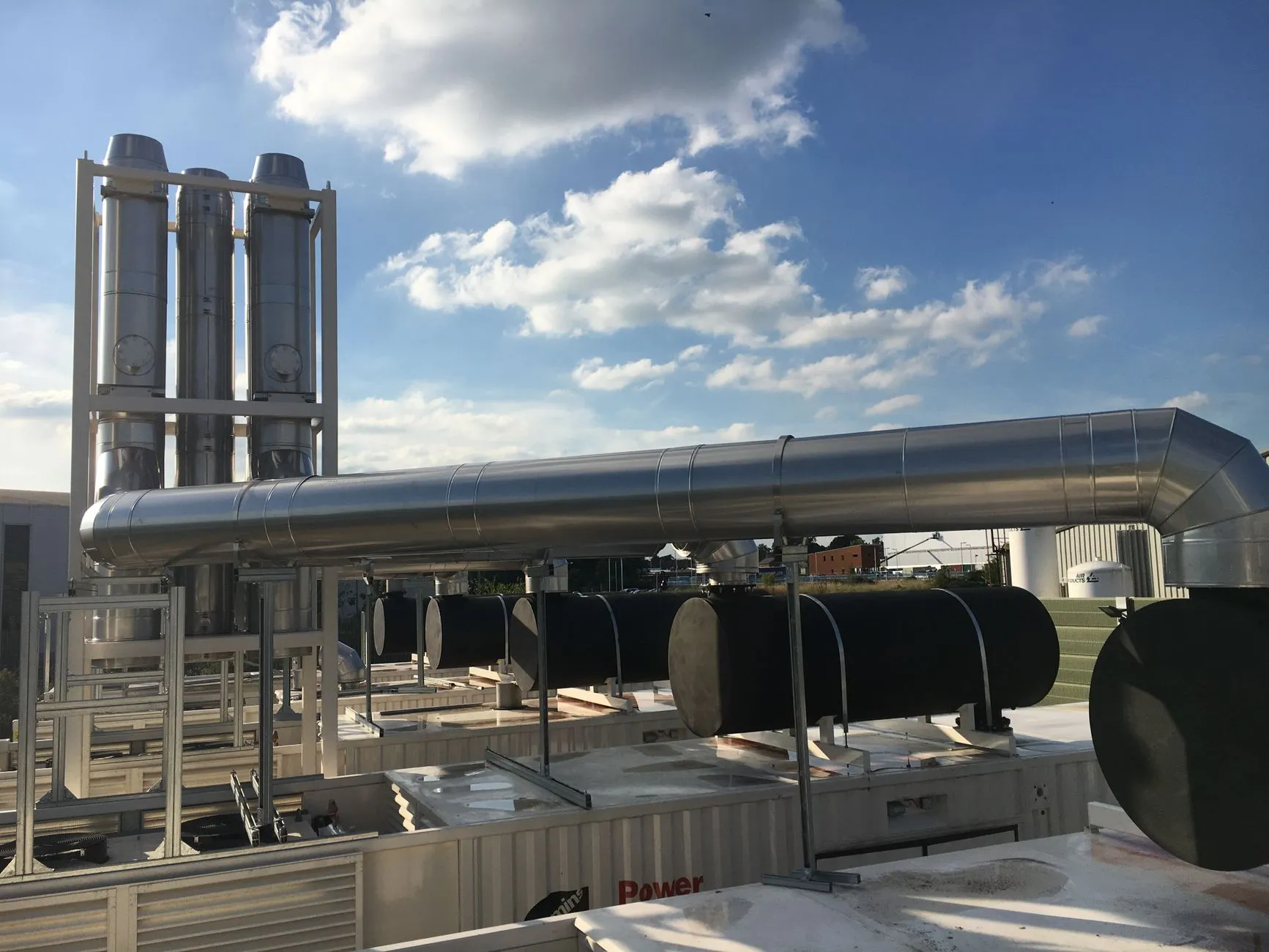
Data centres have long been seen as energy-hungry infrastructure that delivers digital services but little else to the communities that host them. That perception may be shifting. Recent polling suggests public support for new facilities is substantially higher when operators commit to reusing waste heat for local homes and buildings. The finding arrives at a moment when UK heat policy is already moving in the same direction.
For businesses watching planning decisions or considering data centre partnerships, the message is clear. Acceptance of these facilities is increasingly conditional. People are not opposing digital infrastructure outright. Instead, they expect visible local benefit in return for planning approval.
This shift has commercial implications. Waste heat recovery is no longer an optional sustainability feature. In some parts of the country, it may soon become a practical requirement for securing planning consent and maintaining a social licence to operate.
Public opinion ties approval to heat recovery
A 2026 survey by E.ON polled 1,000 people across the UK and Germany. In the UK, 66.8% of respondents said they would view a nearby data centre more favourably if its waste heat was used to supply local heat networks. Separately, around 60% believed planning permission should depend on supplying excess heat to nearby homes and businesses. Meanwhile, 62% said they would be more supportive of a local project if it committed to that goal.
The distinction between these findings matters. Support is not unconditional. Instead, it depends on whether the facility delivers tangible energy benefits to the surrounding area. The polling also found that 75.6% of UK respondents supported close cooperation between data centres, energy providers and local authorities on the heating transition.
These results do not exist in isolation. They reflect a wider policy shift that has been building for several years. The UK government is now treating waste heat as an infrastructure resource rather than an unavoidable byproduct of digital operations.
Heat network zoning creates new obligations
The Energy Act 2023 established the legal framework for heat network zoning in England and Wales. This regime allows local authorities to designate specific areas where buildings and heat sources must connect to a heat network. Importantly, the regime is not voluntary. Once a zone is designated, large heat sources can be required to connect as suppliers.
Implementing regulations were expected by 2026, according to industry commentary. When those rules come into force, data centres located in designated zones may face a legal obligation to supply their waste heat. The government's intention is clear. Data centres are being positioned as the next major industry to feed into new heat networks.
This policy direction has been reinforced by public funding. In late 2023, the government announced almost £65 million for green heating projects that use residual heat from data centres to warm homes. The funding signals official backing for heat reuse as part of the broader energy transition. It also demonstrates that waste heat recovery is seen as central to decarbonising domestic heating, not peripheral to it.
For operators, this creates a new layer of planning risk. A site that might once have been approved on digital infrastructure grounds alone may now face additional scrutiny. Local authorities and communities are asking whether the facility can contribute to local heat supply. If the answer is no, planning approval may be harder to secure.
Technical and commercial realities of heat recovery
Data centres consume large amounts of electricity and generate substantial low-grade heat. Historically, most of that heat has been vented into the atmosphere through cooling systems. However, with the right infrastructure, it can be captured and distributed to nearby buildings via heat networks.
The scale of the opportunity is significant. Reporting in 2025 suggested London's data centres could recover up to 1.6 terawatt-hours of heat annually. That volume is enough to warm approximately half a million homes each year. In practice, realising that potential depends on several factors.
First, proximity matters. Heat networks are most viable when the distance between the heat source and end users is short. Transporting low-grade heat over long distances is inefficient and costly. Consequently, urban data centres are more likely to be asked to supply heat than rural facilities.
Second, demand must align with supply. Data centres generate heat continuously, but residential heating demand varies by season and time of day. Heat networks require storage or flexible demand to balance this mismatch. Without it, much of the available heat may still go to waste.
Third, retrofitting existing sites can be expensive. Capturing and exporting heat requires additional equipment, including heat exchangers, pipework and monitoring systems. Operators must also negotiate commercial terms with heat network operators or local authorities. These arrangements can be complex, particularly when revenue-sharing or long-term supply commitments are involved.
Despite these challenges, the commercial case is strengthening. Planning authorities are increasingly using conditions to require heat recovery as part of new developments. Operators that design for heat reuse from the outset can reduce costs and avoid retrofitting later. Moreover, facilities that supply heat may benefit from improved community relations and a stronger position in future planning negotiations.
Planning strategy and site selection
Site selection for new data centres has traditionally focused on power availability, connectivity, land cost and planning risk. Heat recovery potential is now becoming another variable in that equation. Operators need to assess whether a site is located near existing or planned heat networks. If it is, the likelihood of a heat supply requirement increases.
Developers should also consider the local planning authority's stance on heat recovery. Some councils have adopted policies that prioritise heat reuse in new developments. Others have not yet updated their planning frameworks. Understanding local policy early in the site selection process can help avoid surprises later.
For businesses that rely on data centre services, this shift has indirect consequences. Providers may face higher capital costs if they are required to install heat recovery infrastructure. Those costs could be passed on through higher prices or longer lead times for new capacity. However, providers that can demonstrate heat reuse may also gain a competitive advantage in tenders where sustainability is a selection criterion.
Public sector procurement is one area where this is already playing out. Central government frameworks and local authority contracts increasingly include carbon reduction requirements. Suppliers that can show their data centres contribute to local decarbonisation may score more highly in evaluation criteria. Conversely, facilities that waste heat may face questions about their environmental credentials.
Five points to understand about data centres and heat recovery
- Recent polling found 66.8% of UK respondents view nearby data centres more favourably if waste heat is used for local heat networks.
- The Energy Act 2023 created a legal framework for heat network zoning, which can require large heat sources to connect as suppliers in designated areas.
- The government announced nearly £65 million in 2023 to support green heating projects using residual heat from data centres.
- London's data centres could recover up to 1.6 terawatt-hours of heat annually, enough to warm approximately half a million homes.
- Heat recovery is becoming a practical planning requirement in some areas, particularly where local heat demand and zoning rules align.
What businesses should consider now
Organisations evaluating data centre projects or partnerships should review whether heat recovery is likely to affect planning approval timelines. If a site falls within or near a potential heat network zone, early engagement with local authorities is advisable. Understanding their expectations can inform site design and reduce the risk of conditions being imposed late in the planning process.
Operators should also assess whether existing facilities could be retrofitted to supply heat. While retrofitting is more expensive than designing for heat recovery from the start, it may become necessary if zoning rules are introduced retrospectively. Planning for this possibility now can reduce future costs and disruption.
For businesses procuring data centre services, it is worth asking providers about their approach to waste heat. Suppliers that have invested in heat recovery infrastructure may be better positioned to meet future regulatory requirements. They may also align more closely with corporate sustainability commitments, particularly if those commitments include Scope 3 emissions reduction.
Engagement with local stakeholders is becoming more important. The polling results suggest communities are willing to support data centres, but they expect something in return. Operators that can demonstrate a clear local benefit, such as supplying heat to nearby homes or businesses, are likely to face less opposition. Those that cannot may find planning decisions more contested.
Finally, businesses should monitor the rollout of heat network zoning regulations. Once implementing rules are published, the obligations on heat sources will become clearer. At that point, operators will need to assess whether their sites fall within designated zones and what compliance will require. For more on carbon reporting and compliance, SBS provides ESG compliance support to help businesses navigate regulatory changes.
Where to find more information
The Department for Energy Security and Net Zero oversees heat network policy and zoning regulations. Their guidance on the Energy Act 2023 and heat networks is available on the gov.uk website. The Act itself can be reviewed in full on legislation.gov.uk.
For technical standards and industry guidance on heat networks, the Chartered Institution of Building Services Engineers (CIBSE) publishes resources for engineers and developers. Local authorities also publish planning policies that may include specific requirements for heat recovery in new developments. Checking these documents early in the planning process can clarify expectations.
Businesses looking for support with carbon reduction strategies, including heat recovery and energy efficiency, can explore our net zero hub for guidance on meeting environmental targets and improving sustainability performance.