
Pre-COP31 talks focus on electrification and climate finance
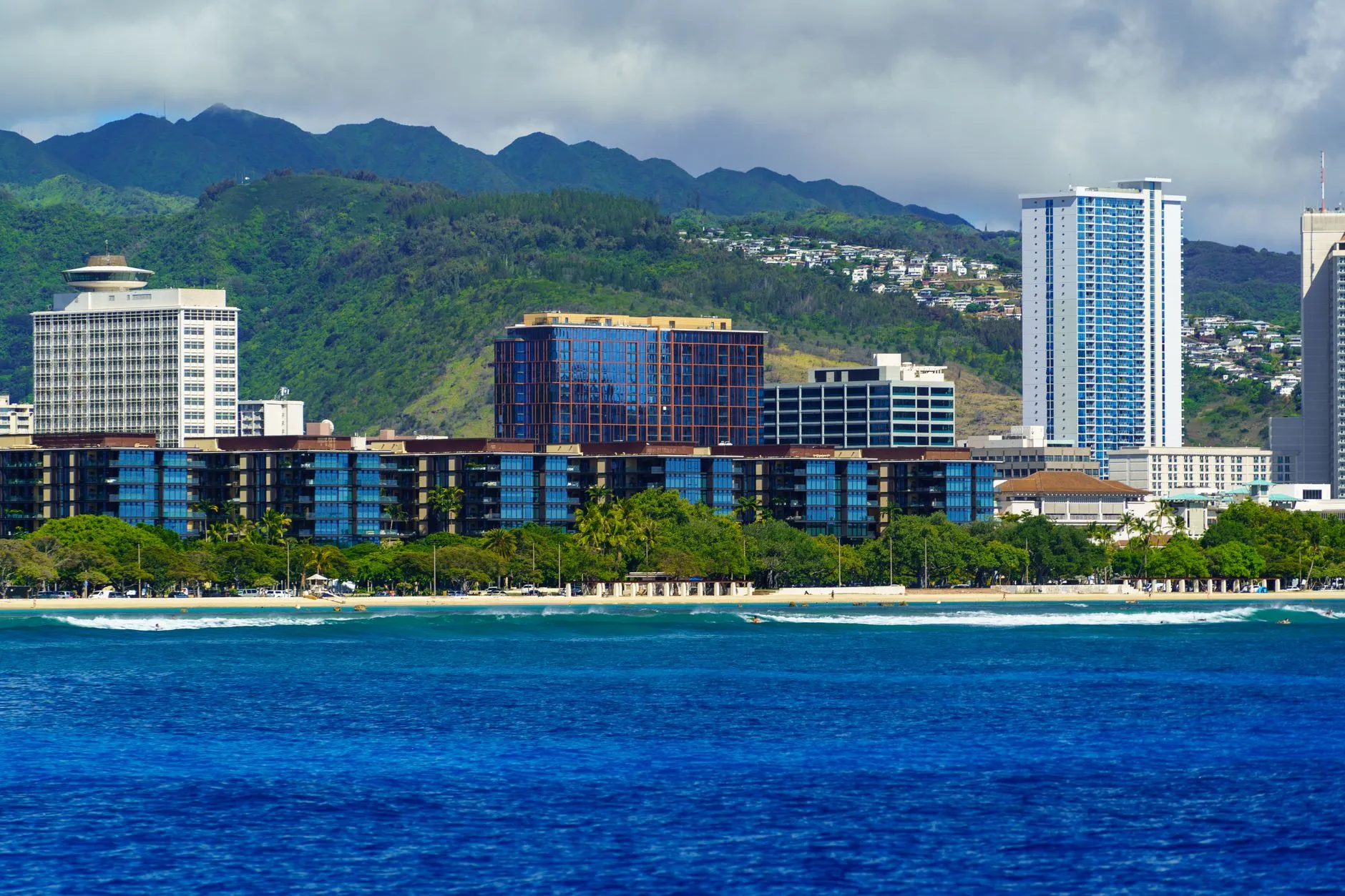
Pacific island nations are using the run-up to COP31 to push for changes that go well beyond emissions targets. For these countries, climate diplomacy now centres on electrification, faster access to adaptation finance, and regional control over how money is spent. The pre-COP talks held in Fiji this October made that agenda explicit.
Fiji and Australia are co-hosting the 2026 pre-COP process. That gives Pacific governments a formal platform to shape what gets discussed when the full conference convenes. Their priorities are clear: keep the 1.5°C limit within reach, speed up the shift to clean energy, protect ocean resources, and fix finance systems that many island states say are too slow and cumbersome to use.
These are not new demands. However, the Fiji meetings gave them renewed focus. Delegates argued that climate finance remains inadequate in both scale and design, particularly for small island developing states facing rising seas, more intense storms, drought, and expensive energy imports. The United Nations Development Programme framed the pre-COP as a chance to connect practical work on renewable energy, resilience, and ocean stewardship with the investment needed to deliver results at scale.
Electrification becomes a formal COP31 priority
One of the most significant outcomes from Fiji was the decision to make electrification a priority theme for COP31. Delegates highlighted its potential to cut emissions, strengthen energy security, reduce costs, and create jobs. For Pacific nations, this represents a shift in how climate action is framed. Electrification is no longer being discussed solely as an emissions reduction tool. Instead, it is being positioned as a development issue with direct implications for affordability and economic resilience.
The push aligns with a global target sometimes referred to as "35 by 35". This aims for 35% of final energy consumption to come from electricity by 2035. For island economies that currently rely on imported diesel for power generation, the transition carries immediate commercial benefits. Lower fuel import bills, more stable energy prices, and reduced exposure to global oil markets all matter to governments managing tight budgets.
Regional planning discussed at the forum includes adding 2.2 gigawatts of new renewable generation capacity and around nine gigawatt hours of storage across the Pacific. Those figures reflect the scale of investment required to shift multiple island grids away from fossil fuels. Consequently, the emphasis on electrification also underscores the need for finance that can support large infrastructure projects in countries with small tax bases and limited borrowing capacity.
Pacific Resilience Facility remains underfunded despite new pledges
The Pacific Resilience Facility attracted significant attention during the meetings. This is a Pacific-owned fund designed to deliver small grants for community-level climate adaptation and disaster resilience. It represents an attempt to create a financing model that reflects the priorities and governance structures of the region itself, rather than relying solely on multilateral institutions based elsewhere.
New pledges from Fiji, Ireland, the Netherlands, and Denmark brought total commitments to just under $200 million. That sounds substantial. Nevertheless, it remains far short of the fund's $500 million target by COP31, and well below its longer-term goal of $1.5 billion. Reuters reported that the latest round of announcements added roughly $15 million in new funding.
The fund's chief executive, Finau Soqo, has described its approach as "small grants at scale". The model is intended to get money into the hands of local communities quickly, without the lengthy application processes or large project thresholds that can exclude smaller island states from global climate finance. For many Pacific governments, this is precisely the kind of mechanism they need. Traditional finance routes often require technical capacity, co-financing, or loan structures that are poorly suited to small economies with high climate risk.
Australia also announced a $3 million package to support Pacific infrastructure resilience projects. This includes work on roads and communications infrastructure in Fiji, Papua New Guinea, Tuvalu, and Kiribati. While the sum is modest, it reflects ongoing bilateral engagement on adaptation finance alongside the multilateral discussions.
Finance architecture remains a sticking point
Access to climate finance has been a recurring frustration for Pacific island states. Officials at the pre-COP meetings made clear that their appeal at COP31 will focus on restructuring the current finance system to make it simpler and faster. Many island governments argue that existing mechanisms are too complex, require too much administrative capacity, and impose conditions that do not reflect the realities of small states.
This is not just about volume. It is about design. Loans add to debt burdens in countries already vulnerable to climate shocks. Meanwhile, grant funding often comes with application processes that favour larger projects or countries with well-resourced climate ministries. For a nation like Tuvalu or Kiribati, the gap between what is technically available and what is practically accessible can be wide.
The Pacific pre-COP therefore serves a dual purpose. It raises the profile of regional priorities before the main negotiations. It also provides a platform for Pacific leaders to demonstrate what alternative models might look like, with the Pacific Resilience Facility as a working example.
Key facts about the Pacific pre-COP and COP31 preparations
- The pre-COP meetings took place in Fiji from 5 to 8 October 2026, focusing on climate action, resilience, energy security, and climate finance.
- The Pacific Resilience Facility has received pledges of just under $200 million so far, against a $500 million target by COP31 and a longer-term goal of $1.5 billion.
- Reuters reported roughly $15 million in new funding commitments announced during the latest round of pledges.
- Australia announced $3 million for Pacific resilience infrastructure projects covering Fiji, Papua New Guinea, Tuvalu, and Kiribati.
- Regional clean energy planning includes 2.2 gigawatts of new renewable generation and around nine gigawatt hours of storage.
- The COP31 electrification agenda links to a global target sometimes called "35 by 35", meaning 35% of final energy consumption from electricity by 2035.
What Pacific nations are asking for at COP31
The Fiji meetings clarified what Pacific island states will be pushing for when COP31 convenes. First, they want the 1.5°C temperature limit to remain a live commitment, not a rhetorical placeholder. Second, they want electrification recognised as a priority that links emissions reductions to energy security and economic development. Third, they want climate finance reformed so that it is faster, easier to access, and better suited to small island states.
These demands reflect lessons from previous COPs. Pacific governments have often found that their concerns are acknowledged in principle but not acted on in practice. Finance pledges are made but disbursed slowly. Adaptation gets less attention than mitigation. Vulnerable countries are told to build capacity but given limited support to do so.
The pre-COP process gives Pacific nations more visibility and more leverage. By co-hosting with Australia, they have a stronger role in setting the agenda. The Pacific Islands Forum has also used the meetings to highlight issues like zero waste, resilient cities, and ocean protection, all of which connect to the broader climate and development challenges facing the region.
For UK businesses, particularly those involved in public sector supply chains or international development, these discussions matter. Electrification and resilience projects in the Pacific will require equipment, expertise, and partnerships. Understanding what Pacific governments are prioritising can help firms identify where demand is likely to grow. It also provides context for how climate finance is evolving, particularly in relation to adaptation and locally led approaches.
SBS supports businesses navigating sustainability requirements, including those linked to climate policy and carbon reporting compliance. As international frameworks shift, staying informed about regional priorities and finance mechanisms helps firms anticipate regulatory changes and market opportunities.
Commercial and policy implications for UK firms
The Pacific agenda at COP31 has direct relevance for UK businesses operating in climate-sensitive sectors. Electrification, renewable energy deployment, and resilience infrastructure all create demand for goods and services. Moreover, UK firms with public sector clients may find that procurement criteria increasingly reflect the priorities being discussed at COP, including climate adaptation and low-carbon energy.
Companies involved in energy, construction, engineering, or climate advisory services should pay attention to how Pacific governments are structuring their finance requests. The emphasis on simpler access and regionally controlled funds suggests a shift towards models that favour smaller, more flexible suppliers over large multilateral contracts. That could open opportunities for UK SMEs with relevant expertise but limited capacity to bid for major infrastructure tenders.
Similarly, the focus on community-level adaptation reflects a broader trend in climate finance. Donors and governments are increasingly interested in locally led solutions that involve communities in decision-making and implementation. UK firms that can demonstrate experience with participatory approaches or small-scale infrastructure may find new openings as this model gains traction.
For businesses with operations in the Asia-Pacific region, understanding the electrification agenda is important. The shift from diesel to renewables will require grid upgrades, battery storage, and technical support for energy planning. It will also create demand for training and capacity building, areas where UK firms have established expertise.
Finally, the pre-COP discussions highlight ongoing tensions in global climate finance. Pacific states are pushing for grants over loans, faster disbursement, and lower administrative hurdles. These demands reflect broader frustrations among developing countries about how climate money flows. UK firms involved in climate finance, carbon markets, or development programmes should be aware that finance architecture is under scrutiny and may change as a result of pressure from vulnerable states.
Businesses looking to build capability in sustainability reporting or climate risk assessment can access support through training resources on emissions accounting and climate disclosure. As policy frameworks evolve, having internal expertise on these issues becomes a practical advantage.
Where to find further detail on Pacific climate priorities
The Pacific Islands Forum Secretariat provides updates on regional climate policy and the pre-COP process. The United Nations Development Programme has published material on the Pacific pre-COP meetings and the link between renewable energy and resilience. For information on climate finance architecture and multilateral funding, the UN Framework Convention on Climate Change website includes details on finance mechanisms and adaptation funds.
The Department for Energy Security and Net Zero publishes guidance on the UK's approach to international climate negotiations and clean energy transitions. Businesses tracking COP31 developments can also follow coverage from the BBC News climate section for accessible reporting on conference outcomes and policy shifts.