
What SMEs Need to Know Before Investing in Solar
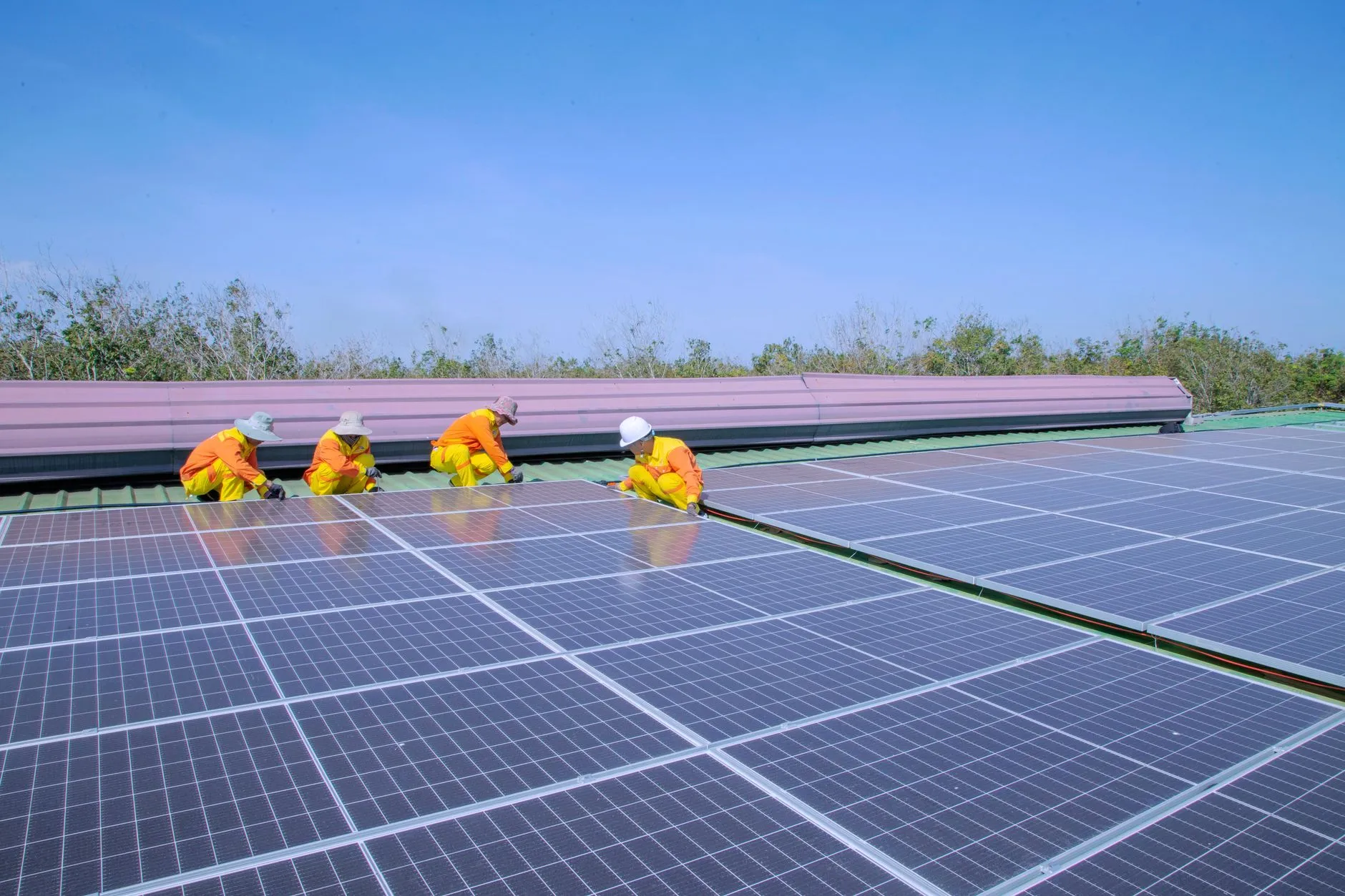
Onsite solar has moved from the margins of corporate sustainability into the core of business energy strategy. For SMEs, the arithmetic is increasingly persuasive: install panels on your roof, reduce grid dependence, cut electricity bills. However, the gap between theory and execution remains wide. Capital costs still intimidate. Financing structures confuse. Installation logistics often delay projects for months.
A new industry event aims to close that gap. In November 2026, edie will host a 45-minute masterclass specifically designed to help smaller businesses understand the financial and practical realities of solar investment. The session brings together voices from British Gas and HDM Energy, an independent consultancy. It is scheduled for 5 November at 1:00 pm UK time.
The timing matters. Electricity prices remain volatile. Meanwhile, support mechanisms available to large corporations, such as corporate power purchase agreements, typically sit out of reach for smaller firms. Consequently, SMEs need different tools, different advice, and a different pathway to renewable generation. This webinar addresses that need directly.
British Gas and HDM Energy lead November session
Matthew Hempstead, Group Intelligence Editor at edie, will chair the event. The two confirmed speakers bring complementary expertise. Olivia Hollis, Propositions Developer at British Gas, represents one of the UK's largest energy suppliers. Daniel Rogers, Founder and Director of HDM Energy, offers the perspective of an independent advisory practice.
The format is practical rather than promotional. According to the event description, the session will explore how SMEs can overcome key investment and deployment challenges surrounding onsite solar power and maximise returns on investment. That framing signals a focus on real obstacles: financing gaps, site suitability, installation complexity, and the commercial case for different system sizes.
British Gas has expanded its business solar offering in recent years. The company now provides installation, maintenance, and financing packages tailored to commercial customers. HDM Energy, meanwhile, specialises in energy strategy for businesses that lack in-house technical teams. Together, the speakers represent both the supply side and the advisory layer that SMEs often need to navigate successfully.
The session is a masterclass, not a sales pitch. That distinction matters. SMEs evaluating solar need transparent information about costs, timelines, and realistic payback periods. They also need to understand where their own energy profile fits within the broader market. A 45-minute format allows for focused discussion without the dilution that often accompanies longer panel events.
Capital costs and financing gaps still block adoption
Onsite solar offers attractive long-term economics for many businesses. Systems typically pay back within four to six years, depending on installation size, electricity usage patterns, and prevailing grid prices. For SMEs with high daytime demand, the payback can be shorter. Direct consumption of generated power reduces reliance on imported electricity, which immediately lowers operational costs.
Despite these advantages, adoption remains uneven. The primary barrier is upfront capital. A commercial solar installation can cost tens of thousands of pounds. Smaller businesses rarely have that cash sitting idle. Furthermore, grant funding that might offset capital expenditure is scarce. Larger firms can access green loans, equipment finance, or structured power purchase agreements. SMEs often cannot.
Traditional business loans treat solar as capital expenditure, which can affect balance sheets and borrowing capacity. Leasing structures exist, but they introduce complexity around asset ownership and tax treatment. Some SMEs hesitate because they rent their premises and cannot justify investment in a landlord's roof. Others face planning restrictions, roof condition issues, or shading problems that reduce system performance.
Consequently, the gap between intent and installation is wide. Many business owners understand the financial logic of solar but lack a clear route to deployment. This webinar addresses that gap by bringing together a major energy supplier and an independent adviser who can explain the options without assuming prior technical knowledge.
Electricity prices and energy resilience sharpen the business case
The commercial case for onsite solar strengthens when electricity prices rise. Recent volatility in wholesale markets has pushed business energy costs to uncomfortable levels. While prices have retreated from their 2022 peaks, they remain well above pre-pandemic norms. That shift has forced SMEs to reconsider their energy strategy.
Solar offers partial insulation from grid price swings. When panels generate electricity, businesses consume it directly at zero marginal cost. The savings accumulate fastest during daylight hours, when many commercial operations run at peak intensity. Manufacturing sites, warehouses, offices, and retail units with predictable daytime loads benefit most.
Battery storage extends those benefits. Adding a battery allows businesses to store surplus generation and discharge it during evening peaks or grid outages. However, batteries add cost and complexity. Not every SME needs one. The decision depends on load profiles, grid connection terms, and whether the business operates outside daylight hours.
Energy resilience is another consideration. Grid outages are rare in the UK, but they do occur. For businesses that cannot afford downtime, such as cold storage operators or manufacturers with continuous processes, onsite generation provides a degree of operational security. Solar alone will not keep lights on during a blackout unless paired with battery storage and an islanding system, but it reduces overall grid dependence.
The webinar will likely address these trade-offs. SMEs need to understand not just whether solar makes sense, but which configuration suits their specific circumstances. That requires honest discussion of costs, benefits, and limitations.
What smaller businesses should know before committing
Several factors determine whether a solar investment will deliver acceptable returns. First, roof suitability matters. Panels need unshaded south-facing or flat roof space. Structural surveys may be required to confirm that the building can support the weight. Older roofs may need replacement before installation, which adds cost and complicates the business case.
Second, electricity usage patterns shape payback periods. Businesses that consume most of their power during daylight hours will see faster returns. Those with evening or night-time peaks may need battery storage to capture value, which extends payback. Understanding your load profile is therefore essential before sizing a system.
Third, financing structure affects the overall cost. Purchasing a system outright minimises long-term expense but requires upfront capital. Leasing spreads payments over time but may reduce tax benefits and complicate ownership if you move premises. Some energy suppliers offer solar-as-a-service models, where they install and maintain the system in exchange for a fixed monthly fee or discounted electricity rate.
Fourth, tax treatment varies. Capital allowances can offset corporation tax, but the rules depend on system size and how the asset is classified. SMEs should seek specific tax advice before finalising contracts. VAT treatment also differs depending on whether the installation qualifies as energy-saving materials.
Fifth, maintenance and warranty terms matter. Panels typically last 25 years or more, but inverters may need replacement after 10 to 15 years. Warranties should cover both equipment failure and performance degradation. Maintenance contracts should specify cleaning schedules, monitoring arrangements, and response times for faults.
Core details for the November masterclass
- The webinar takes place on 5 November 2026 at 1:00 pm UK time and runs for 45 minutes.
- Matthew Hempstead, Group Intelligence Editor at edie, will chair the session.
- Olivia Hollis from British Gas and Daniel Rogers from HDM Energy are confirmed speakers.
- The event is delivered in partnership with British Gas and focuses on overcoming investment and deployment challenges.
- Registration is open through the edie website, with no fee mentioned in the event listing.
- The format is described as a practical masterclass addressing financing constraints, site suitability, and maximising return on investment.
Why SMEs should treat solar as financial strategy, not just green policy
The framing of this webinar reflects a broader shift in how businesses approach onsite generation. Solar is no longer positioned primarily as a sustainability initiative. Instead, it is increasingly discussed as a cost-management tool with environmental co-benefits. That reframing matters because it changes who makes the decision and how the business case is evaluated.
Finance directors care about payback periods, cash flow impact, and balance sheet treatment. Operations managers care about energy security and supply continuity. Sustainability leads care about carbon reporting and net-zero commitments. A well-structured solar project addresses all three priorities simultaneously.
For SMEs pursuing carbon reporting compliance under PPN 06/21 or similar frameworks, onsite generation contributes directly to Scope 2 emissions reductions. It also demonstrates tangible progress toward net-zero targets, which can strengthen bids for public sector contracts. Moreover, suppliers with lower carbon intensity may gain preferential access to supply chains where large buyers impose environmental criteria.
The commercial logic of solar therefore extends beyond the electricity bill. It touches procurement, risk management, regulatory compliance, and strategic positioning. SMEs that treat solar purely as a capital project miss those wider benefits. Conversely, those that integrate it into broader energy and sustainability strategy gain multiple returns.
This webinar offers a starting point for businesses still weighing their options. The combination of a major supplier and an independent adviser provides both the commercial pathway and the impartial perspective needed to make informed decisions. For SMEs without in-house energy expertise, that combination is valuable.
Where to find further guidance on commercial solar
Businesses considering onsite solar should begin by assessing their own energy use. The Department for Energy Security and Net Zero provides guidance on renewable energy support schemes, including feed-in tariffs and export guarantees. While many subsidy schemes have closed to new applicants, export payments for surplus generation remain available through the Smart Export Guarantee.
For technical standards and installation best practice, consult the Chartered Institution of Building Services Engineers knowledge portal. CIBSE publishes detailed guidance on commercial solar design, system sizing, and performance monitoring. The Institute of Environmental Management and Assessment offers resources on integrating renewable energy into broader environmental management systems.
SMEs seeking structured support for carbon reduction and energy efficiency can explore compliance services that align solar investment with reporting obligations. For businesses evaluating multiple energy and sustainability initiatives simultaneously, training on carbon strategy and procurement can help internal teams assess options and prioritise actions.
The edie webinar registration page provides full details of the November event, including speaker biographies and a link to register. For businesses unable to attend live, check whether a recording will be made available afterward. Many industry webinars publish slides or summary notes for those who register but cannot attend in real time.