
Verra Updates Electric Vehicle Charging Methodology
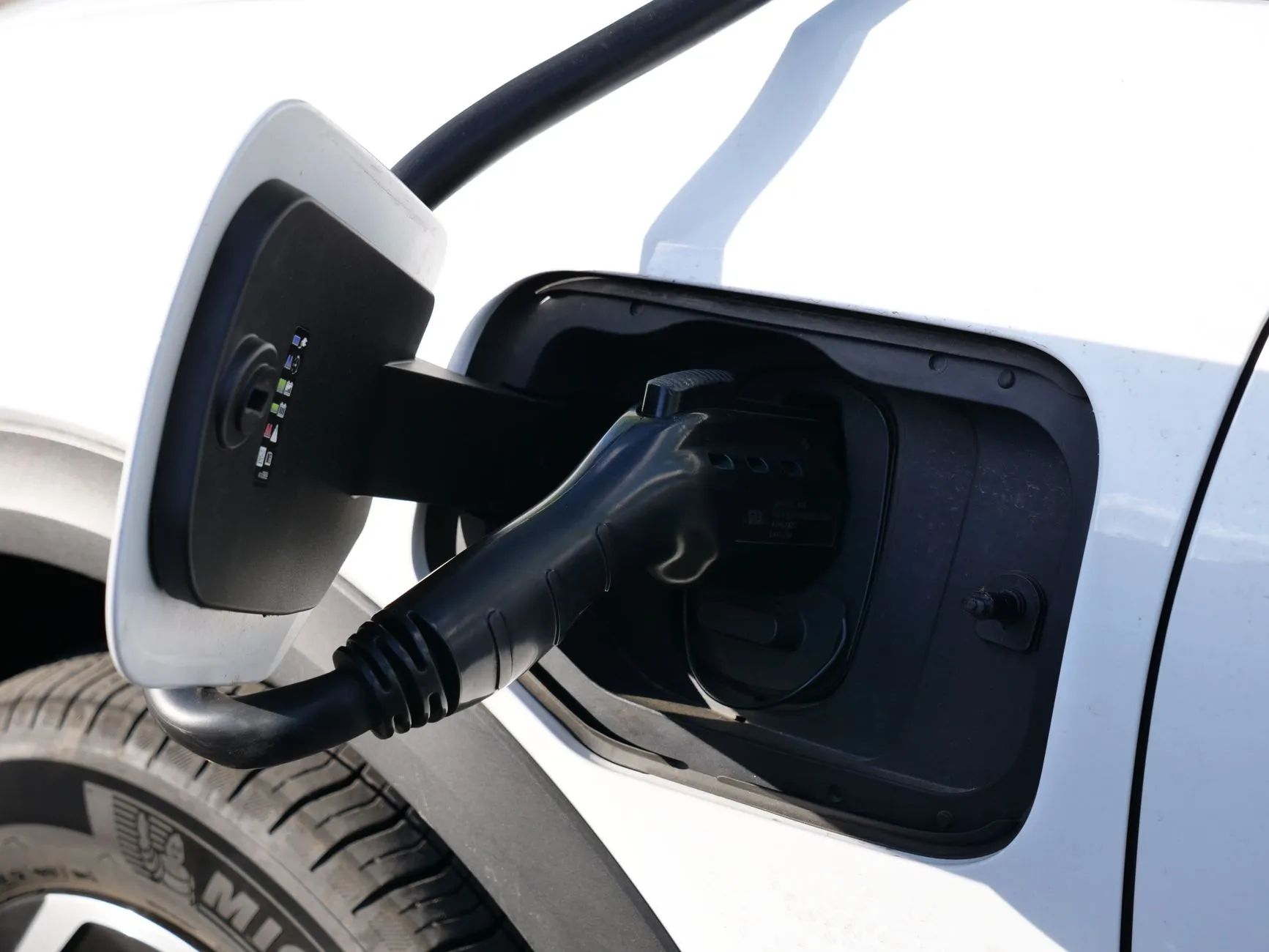
Verra publishes revised methodology for electric vehicle charging credits
Verra has released updated versions of its Verified Carbon Standard methodology for electric vehicle charging systems. The organisation published VM0038 version 1.1 and the related module VMD0049 on 19 August 2026. Both documents govern how projects can earn carbon credits by installing EV charging infrastructure and displacing emissions from fossil-fuel vehicles.
The update tightens eligibility rules and clarifies how projects quantify emission reductions. It also updates the positive list that determines where projects can demonstrate additionality based on national EV market share. For UK businesses operating charging infrastructure or considering carbon credit projects, the changes affect both project eligibility and the calculation methods used to verify emission savings.
How the methodology works for charging infrastructure projects
VM0038 has been active since September 2018. It provides a framework for projects that install charging systems and related infrastructure. The methodology quantifies emission reductions by comparing the electricity used for EV charging against the fossil-fuel emissions that would have occurred from conventional passenger and freight vehicles.
When Verra launched the methodology, it aimed to accelerate EV charging deployment globally. The framework included a positive list for countries with EV market penetration below 5 per cent. This list simplified additionality demonstrations in markets where charging infrastructure was less established. Verra also provided default factors for certain parameters in the United States and Canada, reducing the calculation burden for project developers in those markets.
The methodology applies to projects installing charging systems across multiple contexts. These include public charging stations, workplace charging points, and fleet charging facilities. Projects must demonstrate that the charging infrastructure leads to measurable displacement of conventional vehicle use.
What version 1.1 changes in practice
The revision updates several core components of the methodology. Verra describes the changes as clarifications rather than fundamental restructuring, but they affect how projects qualify and report emissions.
First, the update revises applicability conditions based on EV market share in individual countries. This change reflects how EV adoption has advanced since 2018. Markets that previously qualified under the positive list may no longer meet the updated thresholds. Consequently, projects in those regions will need to demonstrate additionality through alternative pathways.
Second, Verra has updated the positive list itself. The organisation has adjusted which countries and regions qualify for simplified additionality procedures. In March 2026, Verra proposed adding Taiwan to the positive list. The final version of VMD0049 version 1.1 formalises these geographic changes.
Third, the methodology now incorporates two VCS tools designed to strengthen project integrity. These are VT0008 and VT0011. Both tools provide standardised procedures for specific aspects of project validation and verification. Their adoption brings VM0038 into alignment with Verra's broader integrity framework.
Fourth, the revision updates the methodology template to match Verra's current standards. This ensures consistency across all VCS methodologies. It also incorporates a corrections-and-clarifications document that fixed an equation error in the previous version.
Finally, Verra has clarified and simplified the quantification approach. The organisation added a simplified quantification sheet during the public consultation period on 6 April 2026. This tool helps project developers calculate emission reductions more consistently.
Verra states that the Climate Neutral Business Network initially submitted the revision proposal. The organisation then led the development process through its standard methodology pathway.
Consultation process and development timeline
The revision moved through public consultation between 18 March and 17 April 2026. Verra ran the consultation for 30 days, inviting stakeholders to comment on the proposed changes. The process followed Verra's Step 4 Public Stakeholder Consultation procedure, which is part of the organisation's methodology development framework.
During the consultation, Verra added the simplified quantification sheet on 6 April 2026. This addition responded to stakeholder feedback requesting clearer guidance on emission calculations. The final version published on 19 August 2026 reflects comments received during the consultation period.
VMD0049 version 1.1 followed the same timeline. This module update revises the positive-list framework that determines which countries and regions qualify under VM0038. The module became active on the same date as the main methodology.
Transition deadlines for existing and new projects
Verra has set specific dates for transitioning from the older versions. VM0038 version 1.0 will be inactivated on 1 September 2027. VMD0049 version 1.0 will be inactivated earlier, on 1 March 2027. These deadlines give projects time to transition to the updated requirements.
During the transition period, projects using the older versions may still submit certain requests. For VM0038 version 1.0, the deadline is 31 August 2027. For VMD0049 version 1.0, the deadline is 28 February 2027. After these dates, all new submissions must use the updated versions.
Registered projects currently using VM0038 version 1.0 have two options for updating. They can use a project description deviation procedure or a methodology change and requantification procedure. The choice depends on the extent of changes required and the project's crediting period status. Projects that update will need to recalculate baseline emissions and apply the new quantification rules.
Commercial implications for UK charging operators and credit buyers
The revision affects several commercial aspects of EV charging carbon credit projects. Clearer eligibility rules mean project developers can assess viability earlier. However, updated market-share thresholds may exclude projects in countries where EV adoption has increased beyond the positive-list criteria.
For UK businesses operating charging infrastructure, the changes matter in three main ways. First, if you are developing a carbon credit project around EV charging installations, you need to verify that your location still qualifies under the updated positive list. The UK's EV market has grown substantially since 2018, which may affect eligibility depending on how Verra has adjusted the thresholds.
Second, the updated quantification tools change how emission reductions are calculated and verified. This affects the volume of credits a project can generate. The simplified quantification sheet may reduce administrative costs, but the incorporation of VT0008 and VT0011 adds procedural requirements during validation and verification. Therefore, project timelines and budgets may need adjustment.
Third, the revision affects carbon credit buyers. If you purchase credits from EV charging projects to offset emissions, the updated methodology provides stronger integrity assurances. The adoption of Verra's latest tools means credits issued under version 1.1 meet current VCS Program standards. This can be important for corporate sustainability reporting and supply chain commitments.
The changes also matter for public sector bodies. Many UK local authorities and transport operators have installed charging infrastructure with sustainability goals in mind. If those installations qualify as carbon credit projects, the updated methodology affects how reductions are claimed and verified. This is particularly relevant for organisations responding to public procurement sustainability requirements.
Key facts about the VM0038 revision
- Verra published VM0038 version 1.1 and VMD0049 version 1.1 on 19 August 2026, updating the methodology for EV charging carbon credit projects.
- The revision updates applicability conditions based on national EV market share and revises the positive list for simplified additionality demonstrations.
- Verra has incorporated tools VT0008 and VT0011 to strengthen project integrity and align the methodology with current VCS Program standards.
- VM0038 version 1.0 will be inactivated on 1 September 2027, while VMD0049 version 1.0 will be inactivated on 1 March 2027.
- Existing projects using version 1.0 can transition to version 1.1 through a deviation procedure or a methodology change and requantification procedure during their crediting period.
- The Climate Neutral Business Network initially submitted the revision proposal, which Verra then developed through public consultation between 18 March and 17 April 2026.
What businesses should consider following the update
If you operate EV charging infrastructure or are planning installations, you should review whether your projects qualify under the updated methodology. The revised market-share thresholds may change eligibility in regions where EV adoption has increased. Similarly, if you are purchasing carbon credits from EV charging projects, you should verify that those projects meet the updated requirements.
For organisations already registered under VM0038 version 1.0, you need to decide when to transition to version 1.1. Transitioning earlier may provide clarity and align your project with current standards. However, transitioning requires recalculating baselines and applying new quantification rules, which has cost and time implications. You should assess the transition pathway that best fits your project timeline and crediting period.
The incorporation of VT0008 and VT0011 means validation and verification procedures will follow updated standards. Consequently, you should discuss these requirements with your verification body. Understanding the procedural changes early can help avoid delays during verification cycles. Additionally, the simplified quantification sheet may reduce ongoing monitoring costs, but you should confirm that your monitoring plan captures the required data points.
For UK businesses involved in public sector supply chains, the updated methodology affects how you demonstrate carbon reduction commitments. Many public procurement frameworks now require suppliers to report emissions and reduction measures. Credits generated under VM0038 version 1.1 meet recognised carbon accounting standards, which can support compliance with these requirements. However, you should ensure that your use of carbon credits aligns with your overall net zero strategy and does not replace direct emission reductions.
More broadly, the revision reflects how carbon credit methodologies evolve as markets and technologies mature. EV adoption has increased significantly since VM0038 was first published in 2018. As a result, Verra has adjusted the methodology to reflect current market conditions. This pattern is likely to continue as EV penetration grows further. Therefore, businesses planning long-term carbon credit projects should factor in the possibility of future methodology updates and their potential impact on project economics.
Where to find detailed methodology documentation and official guidance
Verra publishes all methodology documents on its official website. You can access VM0038 version 1.1 and VMD0049 version 1.1 through Verra's methodology database. The database includes the full methodology text, modules, and supporting tools.
For information on the VCS Program requirements and validation procedures, consult Verra's VCS Program guidance. This resource explains how methodologies fit into the broader VCS framework and outlines the steps for project registration and credit issuance.
If you need support with carbon reporting, project development, or understanding how these changes affect your sustainability strategy, our compliance team can help you assess the implications and ensure your approach aligns with current standards. Additionally, our net zero program provides guidance on carbon accounting and reduction planning for businesses managing decarbonisation commitments alongside carbon credit activities.